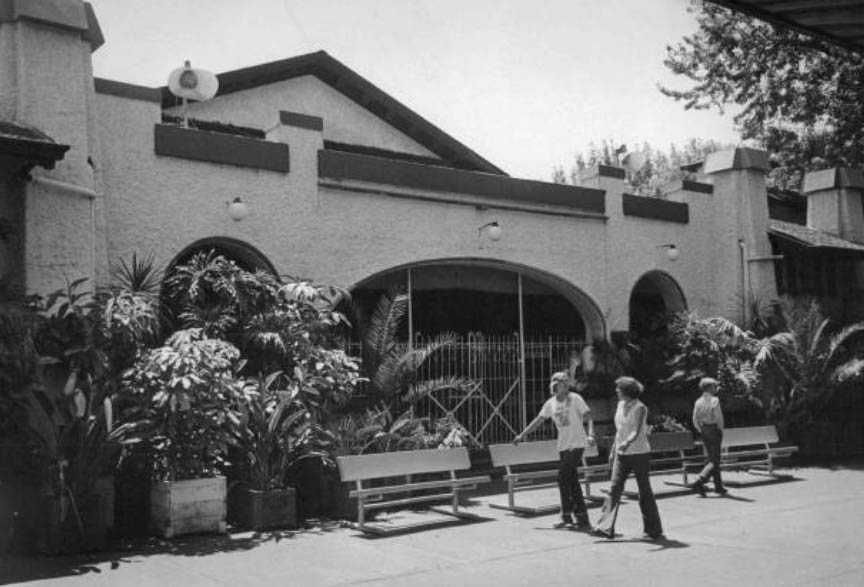
When John Mulvihill acquired Elitch Gardens in 1916, he agreed to two conditions from the previous owner, Mary Elitch Long: the park’s name would never change, and Mary would be allowed to live out her days on the grounds. With those promises in place, Mulvihill set about modernizing the park, and in 1917 he unveiled its most glamorous addition yet — the Trocadero Ballroom, named for the celebrated dance hall in Paris. The new building stood out even amid Elitch’s already-storied grounds, its yellow stucco walls trimmed in green and white awnings that echoed the nearby carousel. Inside, a dance floor stretching some 150 feet was cushioned with a layer of horsehair beneath the polished wood, giving dancers the sensation of gliding rather than walking. High ceilings, sweeping arches, and ornate detailing gave the room an airy, almost theatrical grandeur that set it apart from typical dance halls of the era.
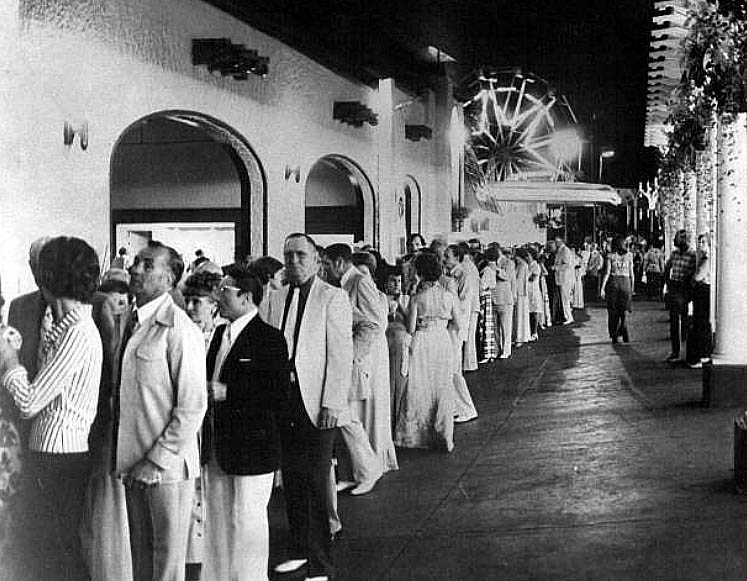
From its earliest seasons, the Troc cultivated an atmosphere of refinement mixed with genuine fun. Formal “white-glove” tea dances invited ladies to wear dance cards on ribbons around their necks, while gentlemen signed up for a waltz, a two-step, or an occasional polka. Four rows of stadium-style seating ringed the floor, and later a lighted sign above the bandstand would flash the name of the next dance so newcomers could keep pace. The ballroom was carefully — some would say strictly — chaperoned. Floorwalkers patrolled the crowd, tapping the shoulders of couples who danced too closely or let their hands wander, and repeat offenders were shown the door. Even a future First Lady wasn’t spared: a young Mamie Doud, dancing with her own uncle, was once asked to leave the floor for standing too close. Parents trusted the Troc precisely because of this vigilance, and for a nickel — later a dime or a quarter — it became one of the most affordable, respectable nights out a young Denverite could have.
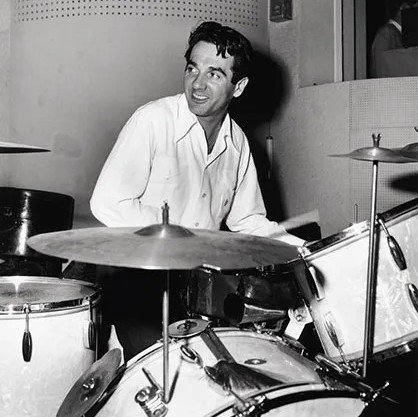
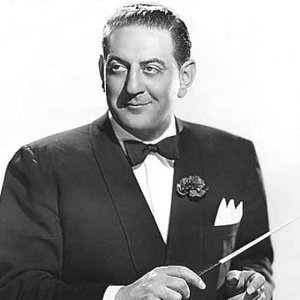
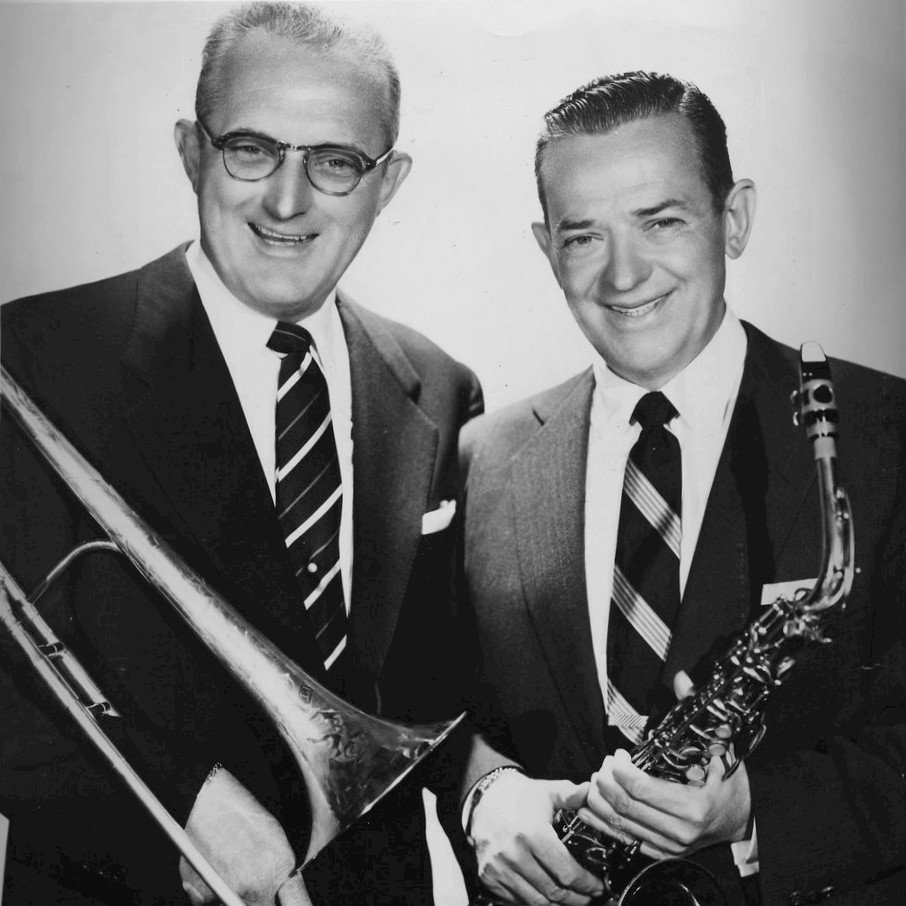
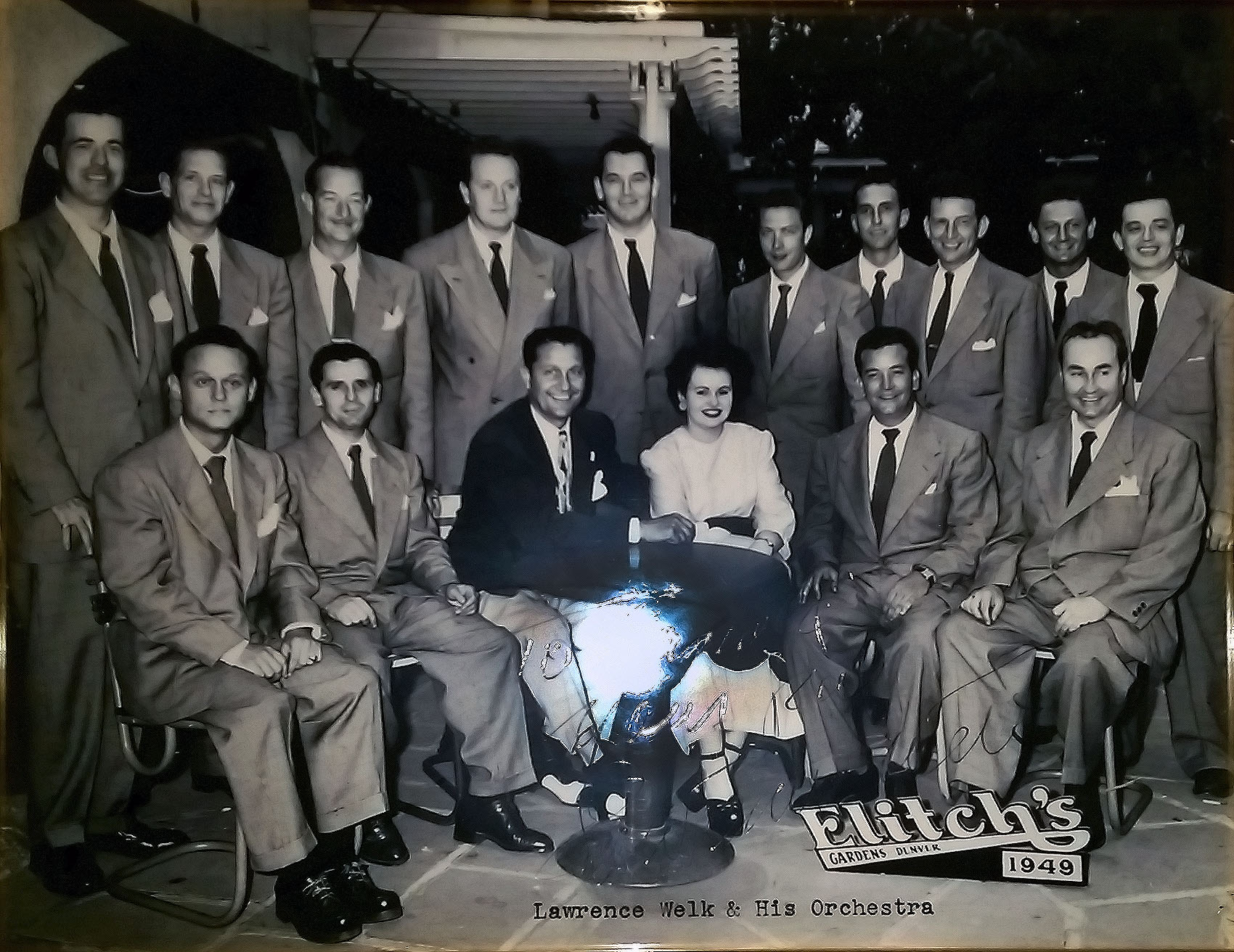
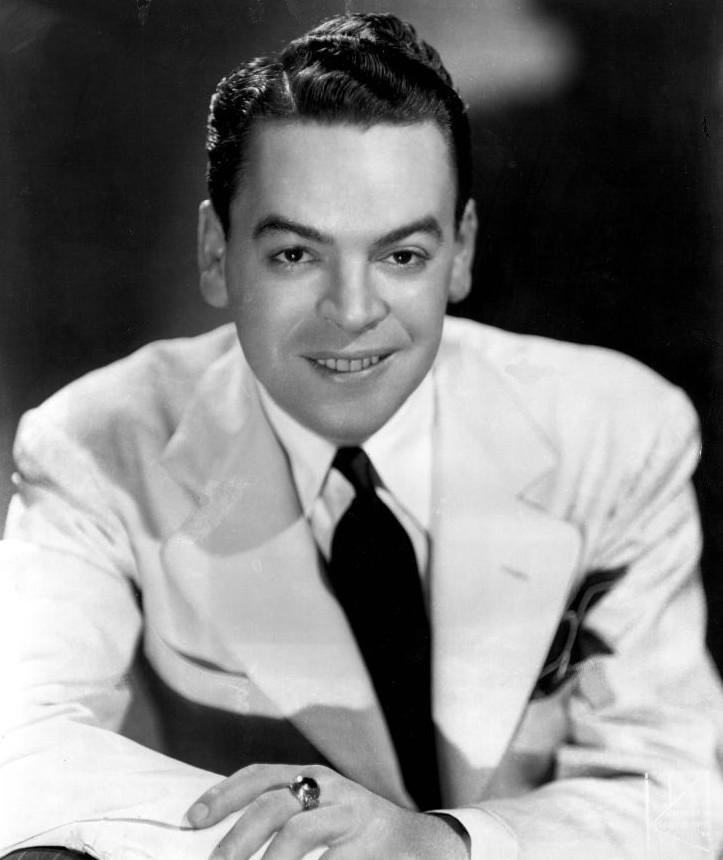
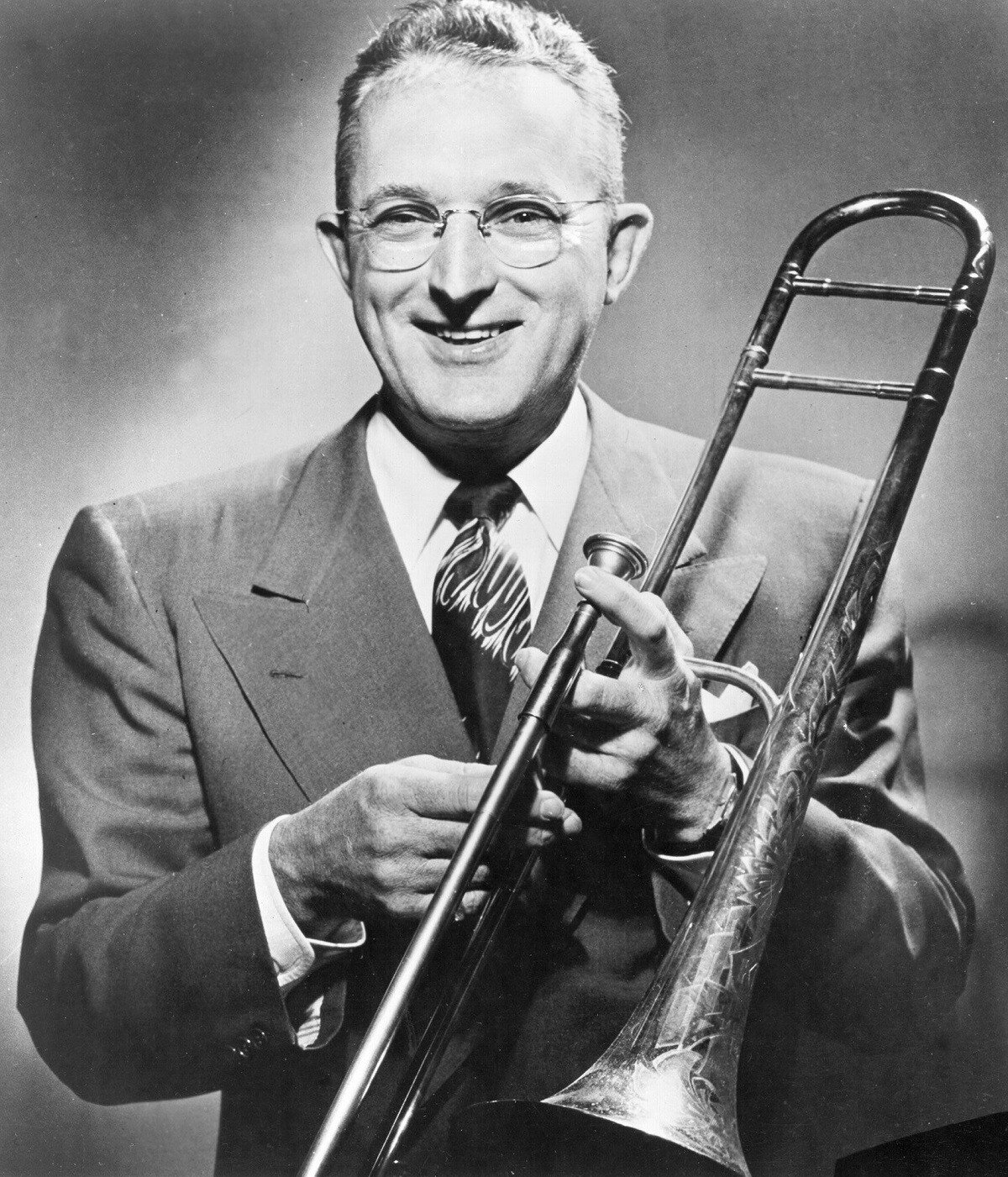
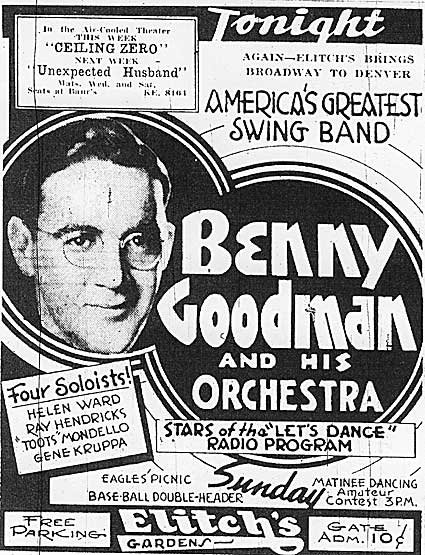
Ownership passed to Mulvihill’s son-in-law, Arnold Gurtler, after Mulvihill’s sudden death in 1930 — fittingly, since Gurtler had originally been brought on to help decorate the ballroom’s interior. As the Great Depression settled over the country, Gurtler leaned into the Troc’s role as an escape, redecorating the hall in a new theme each year and billing it as “the Summer Home of the Big Band Sound.” Using his connections to a booking agency that would eventually become MCA, he turned the ballroom into a regular stop for touring orchestras traveling between Kansas City and the West Coast. Tommy and Jimmy Dorsey, Guy Lombardo, Harry James, Gene Krupa, Stan Kenton, Les Brown, Tex Beneke, and Lawrence Welk all took the stage over the years, and Guy Lombardo himself reportedly called it the most beautiful ballroom he’d played anywhere in the country. Not every act was an instant hit, however — when Benny Goodman brought his new swing sound to the Troc in 1935, the crowd was so baffled by the unfamiliar rhythms that management canceled the rest of his engagement after a single night, a story Goodman himself later confirmed with some chagrin.
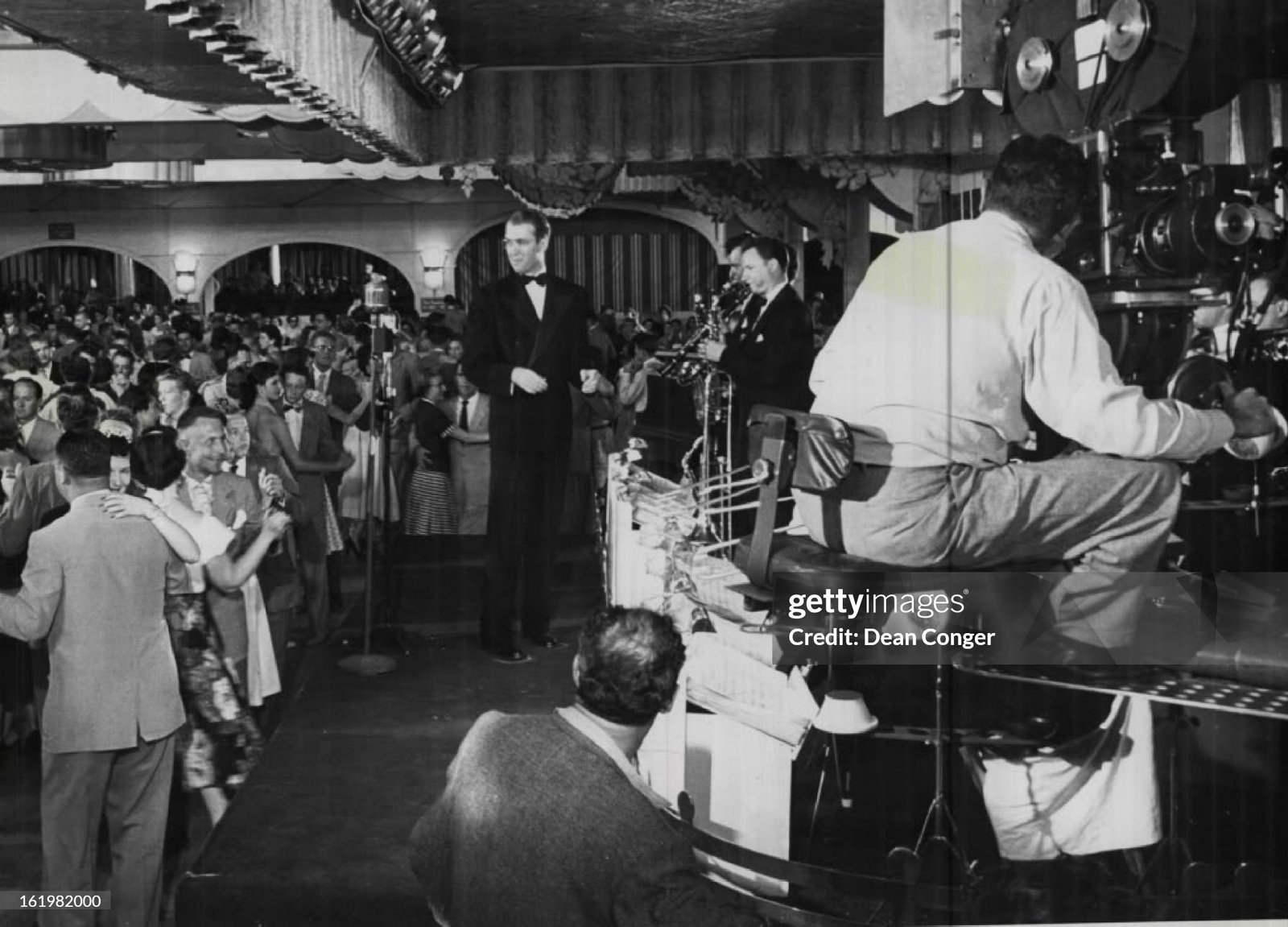
For thirty years, the Troc’s reputation traveled far beyond Denver thanks to radio station KOA, which broadcast “An Evening at the Troc” live from the ballroom every weekend each summer. The station’s signal was powerful enough to reach roughly thirty states, carrying the sound of Elitch’s dance floor across the West and Southwest and cementing the park’s motto that “not to see Elitch’s is not to see Denver.” The Trocadero Court next door offered table reservations for a dollar a night, and the adjoining Grille Room gave guests a place to cool off with a drink between sets. In 1953, the ballroom earned a moment of Hollywood fame when it was chosen as a filming location for The Glenn Miller Story, with stars Jimmy Stewart and June Allyson on hand while an Air Force dance band performed period numbers for the cameras. The film went on to win an Academy Award for Best Sound Recording the following year.
As musical tastes shifted in the 1960s, the Troc found a second act as a haven for traditional jazz. From 1966 to 1969, a rotating lineup of veteran musicians — including clarinetist Peanuts Hucko and pianist Ralph Sutton, both of whom later made Colorado home — recorded a series of live albums known as Jazz in the Troc, preserving the sound of the old ballroom even as ballroom dancing itself fell out of fashion. By the early 1970s, attendance had dwindled to the point that the Gurtler family could no longer justify keeping the building open, despite public outcry from Denverites who had grown up dancing there. The Trocadero Ballroom hosted its final dance in 1975, closing, fittingly, to the strains of “Stardust,” before being demolished that September.
Though the building itself is gone, its memory has proven remarkably durable. When Elitch Gardens reopened at its new Central Platte Valley location in 1995, the park honored its predecessor with a Trocadero Theatre, and a handful of tabletops salvaged from the original dance floor found a permanent home in the new site’s pub. Longtime Denverites still swap stories of dressing up for a night at “the Troc,” and the ballroom remains one of the most fondly remembered chapters in the story of Elitch Gardens. Today, the Historic Elitch Theatre continues that work of remembrance, preserving photographs, playbills, and firsthand accounts of the Trocadero as part of its broader mission to keep the history of Elitch Gardens alive for future generations.