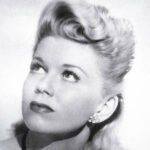
Delno Polk Bailey was one of Denver’s most celebrated tap dancers, a performer whose career began in childhood and stretched across decades of the touring Black theater circuit, Denver’s big-band ballroom scene, and eventually the Trocadero stage at Elitch’s Gardens. She and her sister trained under some of Denver’s leading dance teachers, reportedly the first Black students those instructors had taken on, studying not only tap but acrobatics and toe work. By the time she was nine or ten years old, Bailey and her brother Walter were touring nationally with the Junior Ebony Follies on the RKO Orpheum Circuit, chaperoned on the road by their grandmother. It was a formative, eye-opening introduction to show business: the circuit was strictly segregated, and Bailey later recalled learning early and firsthand what that meant for Black performers of her generation.
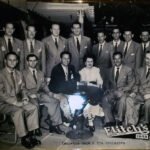
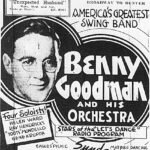
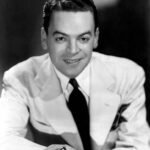
When the Junior Ebony Follies disbanded, Bailey didn’t leave the stage — she became one of the most in-demand specialty dancers in Denver. “There are a lot of good musicians that came out of Denver,” she remembered, “and if they needed a tap dancer, they would call me.” That reputation made her a natural fit for the Trocadero Ballroom at Elitch’s Gardens, where she appeared as a specialty act alongside the big bands and orchestras that filled the Troc’s bandstand during the ballroom’s swing-era heyday. She danced at Denver’s Orpheum Theatre as well, calling it “quite a thing” to perform on that stage, and she was part of a tight-knit circle of Denver Black women tap dancers who called themselves the “Real Ritas.”
Bailey’s career carried her well beyond Denver and Elitch’s. She performed alongside major names of American entertainment, including the Nicholas Brothers and Sammy Davis Jr., and danced in USO shows entertaining American troops. In 1998, dance historian Ellie Sciarra interviewed Bailey for an oral history project on women in tap, a conversation that ranged from her childhood on the road to her thoughts on race and the evolution of the art form — Bailey died not long afterward. Her memory has been carried forward by fellow Denver dancer and lifelong friend Harriet Butcher, who has portrayed Bailey in tribute performances dedicated to her life. Today, Bailey is remembered as a pioneering figure in Denver’s Black entertainment community and a link between the city’s segregation-era touring circuits and the swing-era ballrooms, like the Trocadero, where she brought her talent to Elitch’s stage.
Dates at the Trocadero
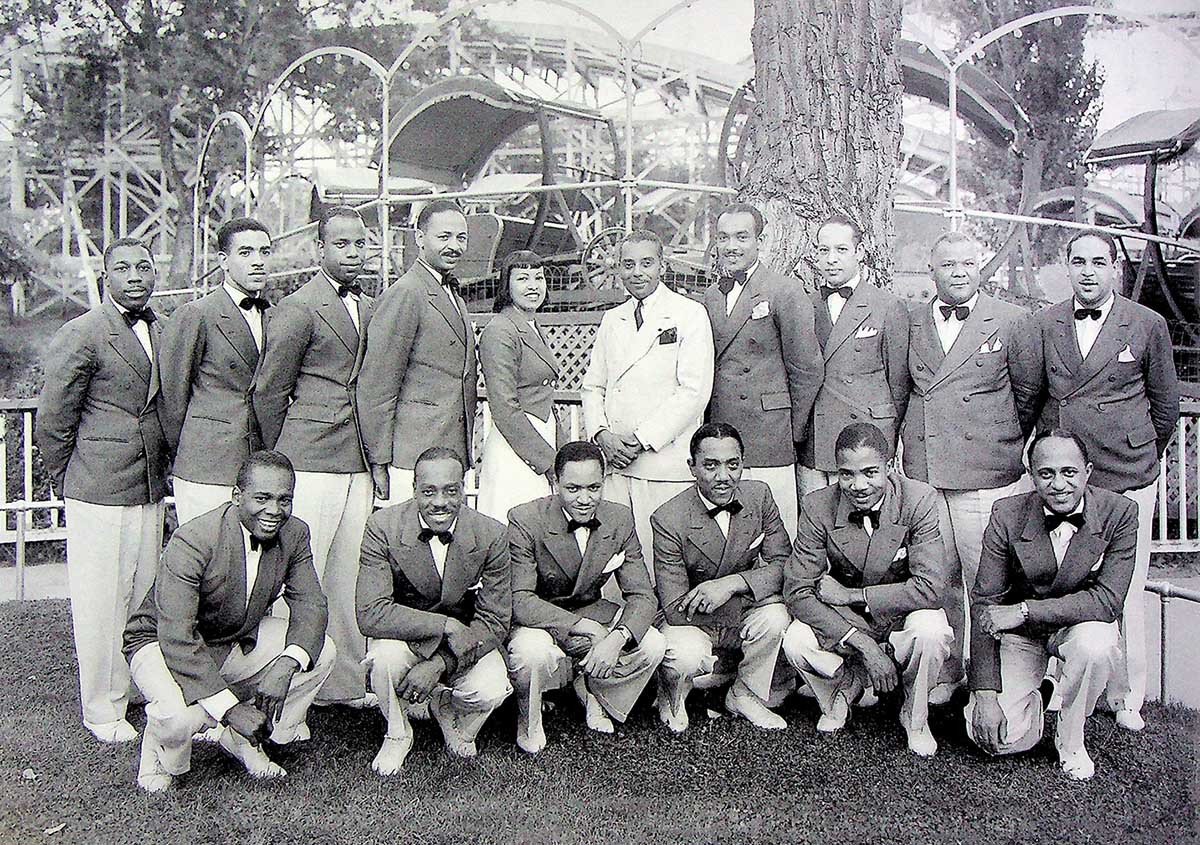
1937 – Noble Sissle Orchestra with Delno Polk Bailey
(Additional specific engagement dates for Bailey’s Trocadero appearances are not documented in currently available sources.)
Notable Accomplishments, Awards, and Other Work aside from HET
- Toured nationally as a child performer with the Junior Ebony Follies on the segregated RKO Orpheum Circuit, chaperoned by her grandmother
- Regularly performed as a specialty tap dancer with Denver-area bands and orchestras whenever a tap act was needed for a show
- Danced at Denver’s historic Orpheum Theatre
- Performed with George Holmes and Company, Shelly Rhym, the Johnny Otis Band, the Swinging Swankies, and the Jimmie Lunceford Orchestra
- Shared the stage with the legendary Nicholas Brothers and with Sammy Davis Jr.
- Danced with Paul Motley
- Performed in USO shows entertaining American troops
- Member of the “Real Ritas,” a close circle of Black women tap dancers active in Denver
- Subject of a 1998 oral history interview conducted by dance historian Ellie Sciarra, part of the “Taps Are Talking” women-in-tap project later published by Sole Stories
- Posthumously honored through the tribute performance “A Woman’s Tap,” in which longtime friend and fellow Denver dancer Harriet Butcher portrayed Bailey; the production was dedicated to Bailey’s memory
- One of the first Black students accepted into several of Denver’s dance schools, alongside her sister