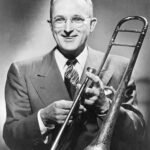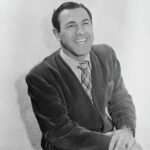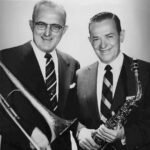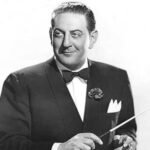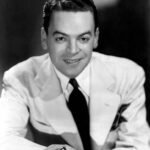
Lawrence Welk rose from an isolated North Dakota farm to become one of the most recognizable bandleaders and television personalities of the twentieth century. Born near Strasburg, North Dakota, in 1903, Welk was the sixth of eight children in a German-speaking immigrant family. He left school after the fourth grade to work on the family farm but became determined to make music his profession. After persuading his father to purchase a mail-order accordion, Welk spent years repaying the expense through farm labor while developing the disciplined work ethic that later defined his career. He formed his first orchestra in the 1920s and built a following through dances, radio broadcasts, hotel engagements, and one-night appearances across the Great Plains and Midwest.
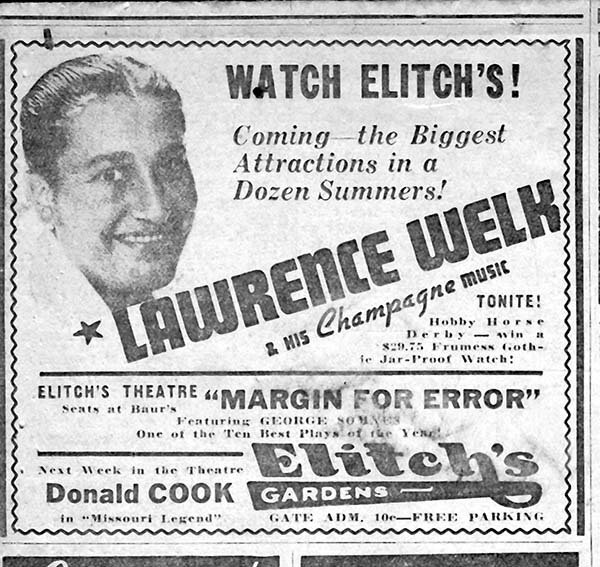
By the 1930s and 1940s, the Lawrence Welk Orchestra had become a successful touring dance band. Welk described its polished, buoyant style as “champagne music,” a name reportedly inspired by a listener who compared its light and bubbly quality to champagne. His orchestra emphasized melody, precision, danceable rhythms, and accessible arrangements rather than the more aggressive swing and improvisation associated with some of his contemporaries. That approach made Welk especially well suited to elegant ballrooms such as the Trocadero at Elitch Gardens, where audiences came not only to hear nationally known orchestras but also to dance in one of the most celebrated entertainment settings in Denver.
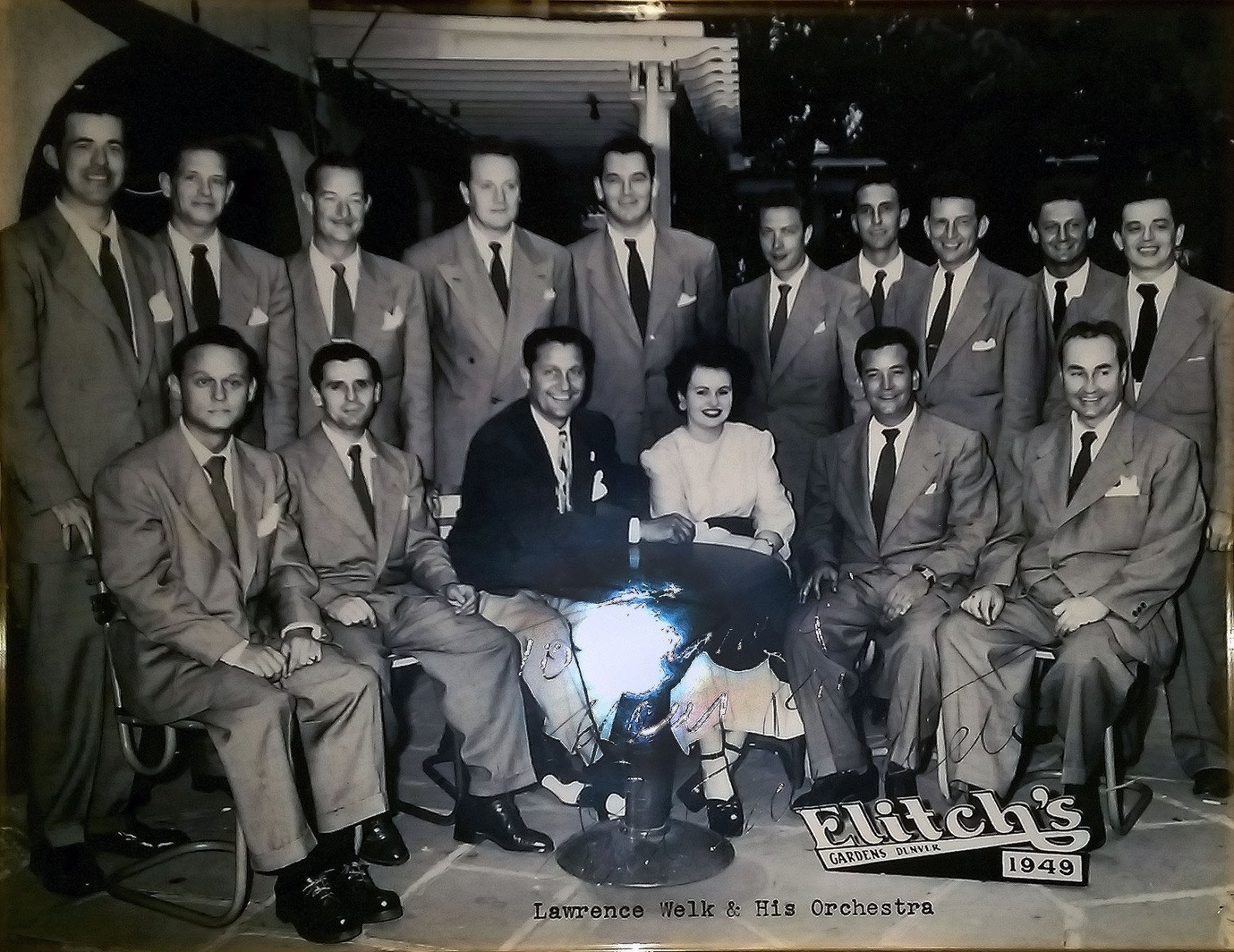
Surviving Elitch records and historical collections document several Lawrence Welk engagements at the Trocadero. Photographic and advertising evidence places his orchestra there during the 1930s, with additional appearances identified in 1940, 1949, June 1950, and 1951. His 1951 engagement was particularly substantial: the Lawrence Welk Orchestra was advertised for June 1, June 3, and June 15, while Welk and featured accordionist Myron Floren participated in a citywide accordion contest at the ballroom on June 5. These appearances placed Welk among the prominent touring bandleaders who helped establish the Trocadero’s reputation as the “Summer Home of the Big Band Sound.”
Welk’s visits to the Trocadero also came at an important turning point in his career. In 1951—the year of his best-documented Elitch engagement—he began presenting a weekly television program in Los Angeles. ABC began broadcasting the program nationally in 1955, bringing Welk’s orchestra, accordion music, singers, dancers, novelty performers, and carefully cultivated family atmosphere into homes across the country. When ABC canceled the series in 1971, Welk successfully moved it into first-run syndication, where it continued until his retirement in 1982. In all, his television presence stretched across more than three decades and made the Lawrence Welk musical organization one of the most enduring institutions in American variety entertainment.
Although changing musical tastes sometimes made Welk seem old-fashioned, his success demonstrated the lasting appeal of melodic dance music and wholesome variety entertainment. His 1961 instrumental recording of “Calcutta” reached number one during the rock-and-roll era, while the accompanying album remained at the top of the album chart for eleven weeks and earned gold-record status. Through recordings, touring, television, and the musicians he employed, Welk introduced generations of listeners to waltzes, polkas, popular standards, novelty numbers, and traditional American dance-band music. His appearances at the Trocadero preserve an especially meaningful connection between his early ballroom career and the television fame that soon made him a national icon.
Seasons at the Trocadero
- 1930s: An undated Lawrence Welk Orchestra appearance is preserved in photographic and advertising collections. The precise year has not yet been confirmed.
- 1940: Historic Elitch Theatre materials identify Welk at the Trocadero during the 1940 season.
- 1949: Lawrence Welk is included in the Historic Elitch Theatre’s Trocadero chronology for 1949.
- 1950: Archival material identifies the Lawrence Welk Orchestra at the Trocadero in June 1950.
- 1951: Documented appearances on June 1, June 3, June 5, and June 15. The June 5 program was a citywide accordion contest featuring Welk and Myron Floren.
Musical Achievements
- Developed and popularized the light, melodic dance-band style known as “champagne music.”
- Built a successful touring orchestra through ballroom, hotel, radio, and recording engagements before moving into television.
- Hosted The Lawrence Welk Show locally beginning in 1951, nationally on ABC beginning in 1955, and in syndication after 1971. The original weekly series continued until 1982.
- Recorded the number-one instrumental hit “Calcutta” in 1961.
- Reached number one on the album chart with Calcutta!, which held the top position for eleven weeks and was certified gold.
- Helped make accordion music, polkas, waltzes, and traditional ballroom repertoire familiar to a nationwide television audience.
- Created a long-running ensemble popularly known as his “Musical Family,” featuring musicians and vocalists such as Myron Floren, the Lennon Sisters, Norma Zimmer, Jo Ann Castle, Bobby Burgess, and many others.
Awards and Honors
- Theodore Roosevelt Rough Rider Award, 1961: Welk was among the original recipients of North Dakota’s highest commendation for citizens who achieved national distinction.
- Horatio Alger Award, 1967: Honored for his rise from poverty and limited formal education to national success as a conductor and entertainer.
- Tournament of Roses Grand Marshal, 1972.
- Golden Plate Award, 1980: Presented by the American Academy of Achievement in recognition of his career as a television impresario.
- International Polka Music Hall of Fame, 1994: Welk was inducted posthumously for his role in popularizing the accordion and polka music.
- Hollywood Walk of Fame: Honored with separate stars for his achievements in television and recording.
- Gennett Records Walk of Fame, 2007: Inducted as a charter member in recognition of his recording legacy.
Legacy
Lawrence Welk’s legacy reaches far beyond the familiar bubbles, baton, accordion, and distinctive “A-one, and a-two” count-off associated with his television program. He represented the continuing importance of the American ballroom orchestra at a time when jazz, swing, rock and roll, and changing television tastes repeatedly transformed popular entertainment. By maintaining an identifiable musical style and cultivating a loyal multigenerational audience, Welk turned traditional dance music into a remarkably durable entertainment enterprise.
His career also reflects the cultural importance of venues such as the Elitch Gardens Trocadero Ballroom. Before television brought Welk into millions of homes, ballrooms gave him and other traveling bandleaders the opportunity to develop their sound, build regional audiences, and establish national reputations. The Trocadero’s vast dance floor, live radio broadcasts, and status as a major stop between the Midwest and West Coast made it an ideal setting for Welk’s polished and highly danceable music.
Welk died in 1992 at the age of eighty-nine, but his programs continued to find audiences through public-television broadcasts, reruns, recordings, and live performances by former members of his Musical Family. His enduring popularity demonstrates that the music associated with America’s great ballrooms retained a powerful nostalgic and cultural appeal long after many of those venues—including the Trocadero—had disappeared.
Wikipedia Link: