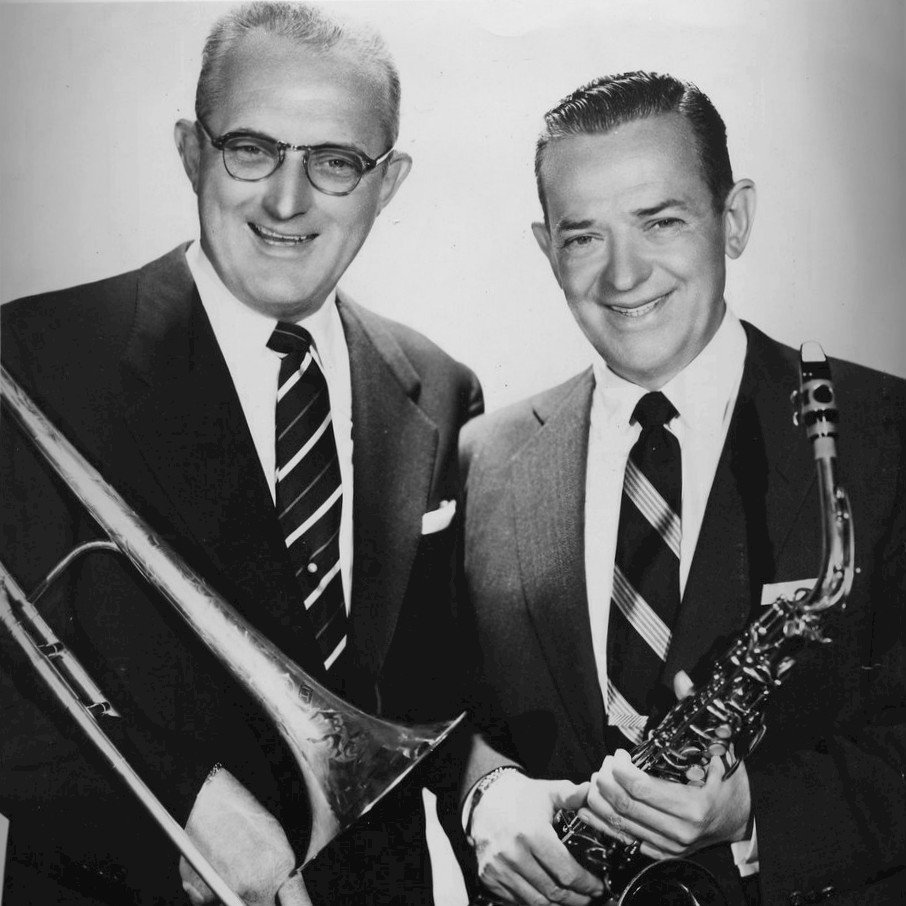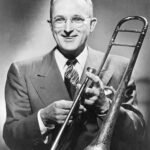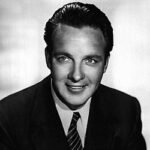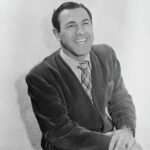
James Francis “Jimmy” Dorsey (1904–1957) was one of the defining musical figures of the Swing Era. A gifted clarinetist, alto saxophonist, composer, arranger, and bandleader, Dorsey helped shape the sound of American popular music during the 1930s and 1940s. Along with his younger brother Tommy Dorsey, he first gained national prominence as part of the Dorsey Brothers Orchestra before the brothers’ famously stormy partnership dissolved in 1935. Jimmy immediately formed his own orchestra, creating a band that combined polished dance music with exceptional jazz musicianship. Unlike Tommy’s highly disciplined leadership style, Jimmy fostered a relaxed atmosphere among his musicians, resulting in one of the most stable and respected orchestras of the big band era.
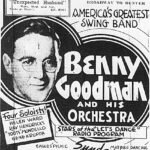
Jimmy Dorsey’s orchestra became a familiar presence at Denver’s Elitch Gardens Trocadero Ballroom during the ballroom’s golden age as one of the nation’s premier summer dance venues. Under the direction of Arnold Gurtler, the Trocadero developed into a regular stop for America’s leading touring orchestras traveling between Kansas City and the West Coast. Jimmy and Tommy Dorsey were among the elite performers who helped establish the ballroom’s national reputation, joining artists such as Benny Goodman, Guy Lombardo, Harry James, Gene Krupa, Stan Kenton, and Lawrence Welk. Weekend performances were often broadcast live on KOA radio’s An Evening at the Troc, carrying the sound of the ballroom throughout much of the western United States.
The orchestra reached its commercial peak between 1939 and 1943, producing an extraordinary string of hit recordings that made Jimmy Dorsey one of America’s best-selling bandleaders. Classics including “Amapola,” “Green Eyes,” “Maria Elena,” “Tangerine,” and “Besame Mucho” became million-selling records, while the orchestra featured outstanding vocalists including Helen O’Connell, Bob Eberly, and Kitty Kallen. Dorsey’s mastery of both sophisticated dance arrangements and improvisational jazz allowed his orchestra to appeal to ballroom dancers while earning the respect of jazz musicians nationwide. His clarinet and saxophone solos became hallmarks of the band’s unmistakable sound.
The Dorsey name continued to be associated with the Trocadero long after Jimmy’s death. Following his passing in 1957, trumpeter Lee Castle assumed leadership of the Jimmy Dorsey Orchestra, preserving the band’s distinctive sound for a new generation. Castle brought the orchestra to the Trocadero in June 1961, demonstrating both the ballroom’s enduring reputation and the lasting popularity of Jimmy Dorsey’s music during the twilight years of the big band era.
Today, Jimmy Dorsey remains recognized as one of the great architects of American swing music. His performances at the Elitch Gardens Trocadero Ballroom placed Denver audiences in direct contact with one of the nation’s finest orchestras during the height of the big band era. Together, Jimmy Dorsey and the Trocadero exemplified an era when live dance orchestras dominated American entertainment, leaving behind a musical legacy that continues to define the golden age of swing.
Seasons at the Trocadero
- Jimmy Dorsey and his orchestra appeared at the Elitch Gardens Trocadero Ballroom during the ballroom’s celebrated big band years, primarily in the late 1930s and 1940s as one of its featured national touring orchestras. While surviving promotional records do not document every engagement, the Historic Elitch Theatre and Colorado Music Hall of Fame identify Jimmy Dorsey as one of the ballroom’s signature performers during its peak years. After Jimmy Dorsey’s death, Lee Castle and the Jimmy Dorsey Orchestra returned to the Trocadero in June 1961, continuing the band’s association with Elitch Gardens.
Musical Achievements
- Co-founded the influential Dorsey Brothers Orchestra in 1934.
- Formed the Jimmy Dorsey Orchestra in 1935 following the brothers’ split.
- Mastered both clarinet and alto saxophone, becoming one of the finest instrumentalists of the Swing Era.
- Led one of the nation’s most successful dance orchestras during the late 1930s and early 1940s.
- Recorded numerous No. 1 and million-selling hits, including:
- Amapola
- Green Eyes
- Maria Elena
- Tangerine
- Besame Mucho
- Helped launch or feature notable vocalists including Helen O’Connell, Bob Eberly, and Kitty Kallen.
- Appeared in several Hollywood films during the Swing Era, further expanding the popularity of big band music.
Awards and Honors
- Multiple recordings have been inducted into the Grammy Hall of Fame, recognizing their lasting artistic and historical significance.
- Widely regarded as one of the premier clarinetists and saxophonists of the Swing Era.
- Continues to be honored through the ongoing performances of the Jimmy Dorsey Orchestra, which has preserved his musical legacy for decades after his death.
- Recognized as one of the defining figures of American big band music alongside his brother Tommy Dorsey and contemporaries Benny Goodman, Glenn Miller, and Harry James.
Legacy
Jimmy Dorsey’s influence extends far beyond his chart-topping recordings. His orchestra combined exceptional musicianship with broad popular appeal, helping define the soundtrack of America’s Swing Era. His relaxed leadership style fostered remarkable stability among his musicians, while his virtuosity on both clarinet and saxophone inspired generations of jazz and dance-band performers.
His appearances at the Elitch Gardens Trocadero Ballroom helped cement Denver’s reputation as an important stop on the national big band circuit. Alongside the other legendary orchestras that played the Trocadero, Jimmy Dorsey contributed to the ballroom’s standing as one of the country’s finest dance venues. Today, both his recordings and the continuing performances of the Jimmy Dorsey Orchestra preserve the sound and spirit of one of America’s greatest swing bandleaders.
Wikipedia Link: