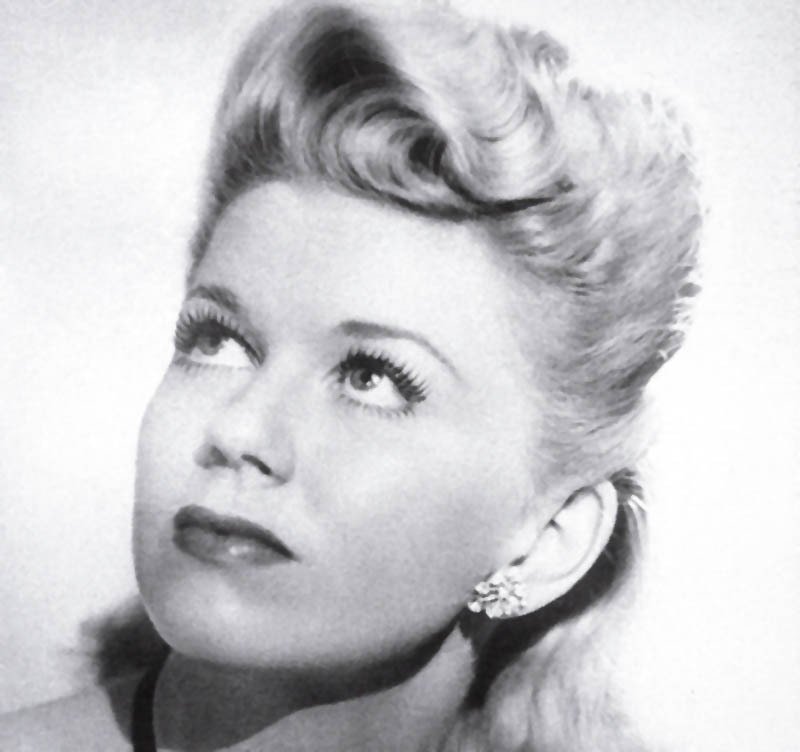
Long before she was America’s sweetheart on the silver screen, Doris Day was a big band vocalist working the one-nighters — and that circuit ran right through Denver’s own Trocadero Ballroom.
From Cincinnati to the Bandstand
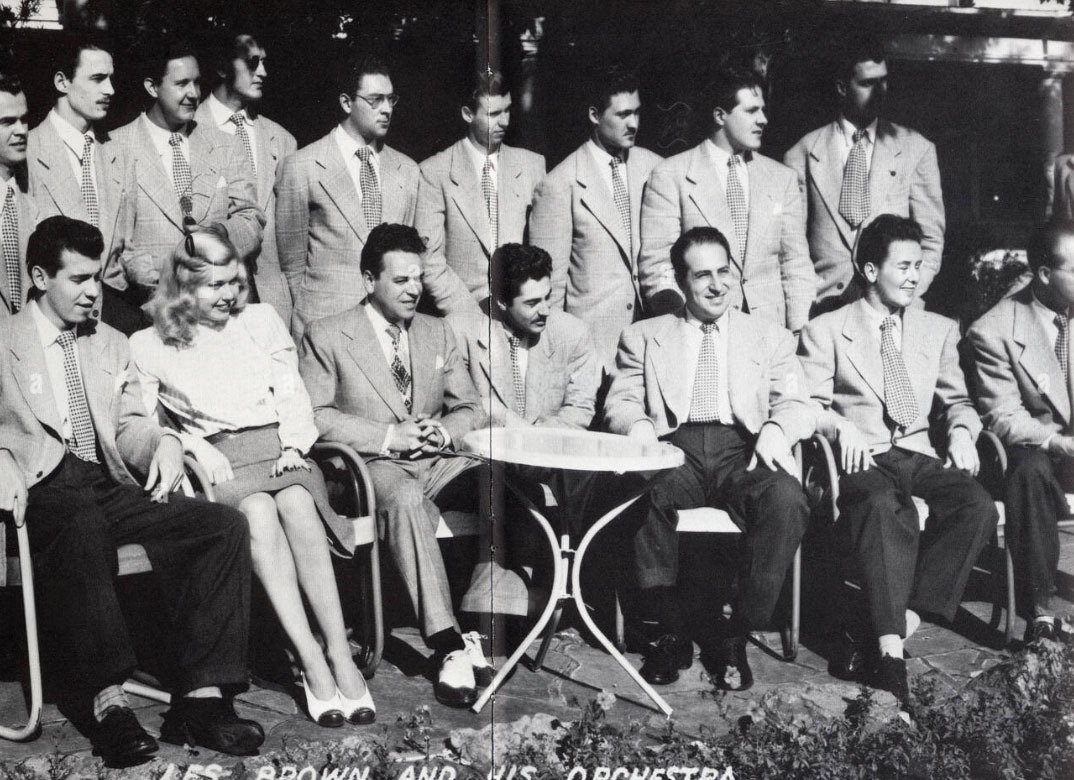
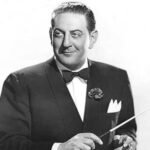
Born Doris Mary Ann Kappelhoff in Cincinnati in 1922, Day got her start singing on local radio as a teenager. A car accident derailed her early ambitions as a dancer, and she pivoted to singing — working her way through a string of touring bands before landing, in August 1940, a job as vocalist with Les Brown and His Band of Renown. Illness pulled her off the road in 1941, but she rejoined Brown’s outfit in 1943, right as the band was becoming one of the hottest tickets in the country.
The Troc Connection
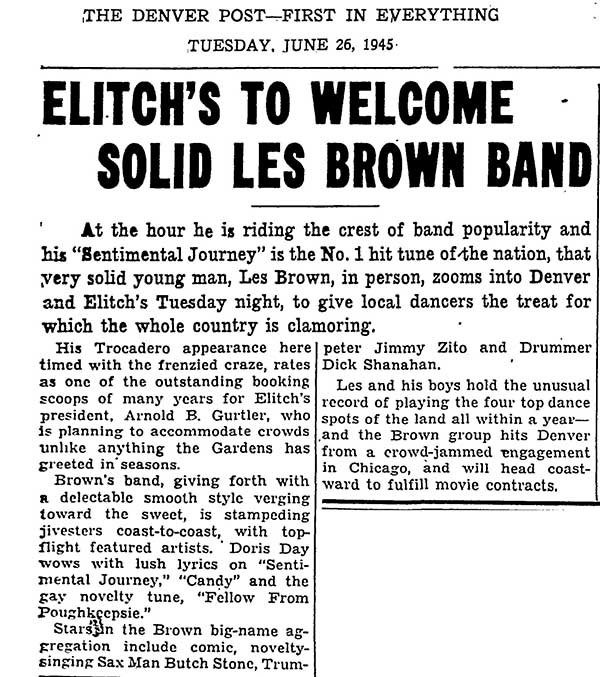
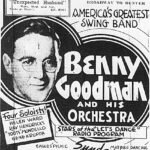
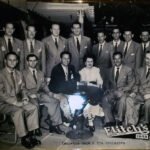
The Trocadero Ballroom — Elitch Gardens’ 150-foot dance pavilion, opened in 1917 — was one of the essential stops for big bands crossing the country between Kansas City and the West Coast. Les Brown’s orchestra was a regular there, alongside the likes of Benny Goodman, Harry James, Glenn Miller’s contemporaries, the Dorsey brothers, and Lawrence Welk. Denverites packed the Troc’s stadium-style seating and open-air dance floor on countless summer nights to hear exactly the kind of touring outfit Day sang with throughout the early-to-mid 1940s. It’s a safe bet that on one of those band’s stops through Colorado, a young Doris Day stood on the Troc’s bandstand — the same stage that hosted nearly every marquee name of the swing era.
The Hit That Changed Everything
Day’s tenure with Brown produced the record that made her a star. On November 20, 1944, the band recorded “Sentimental Journey,” with Day on vocals — a song written by Brown himself with Ben Homer and Bud Green. Released in early 1945, it became the unofficial anthem of homecoming GIs as World War II wound down, hit number one on the charts, and eventually sold more than five million copies. At one point in 1945–46, Day had five simultaneous Top Ten hits as the Les Brown band’s vocalist, including “My Dreams Are Getting Better All the Time,” “‘Tain’t Me,” and “Till the End of Time.”
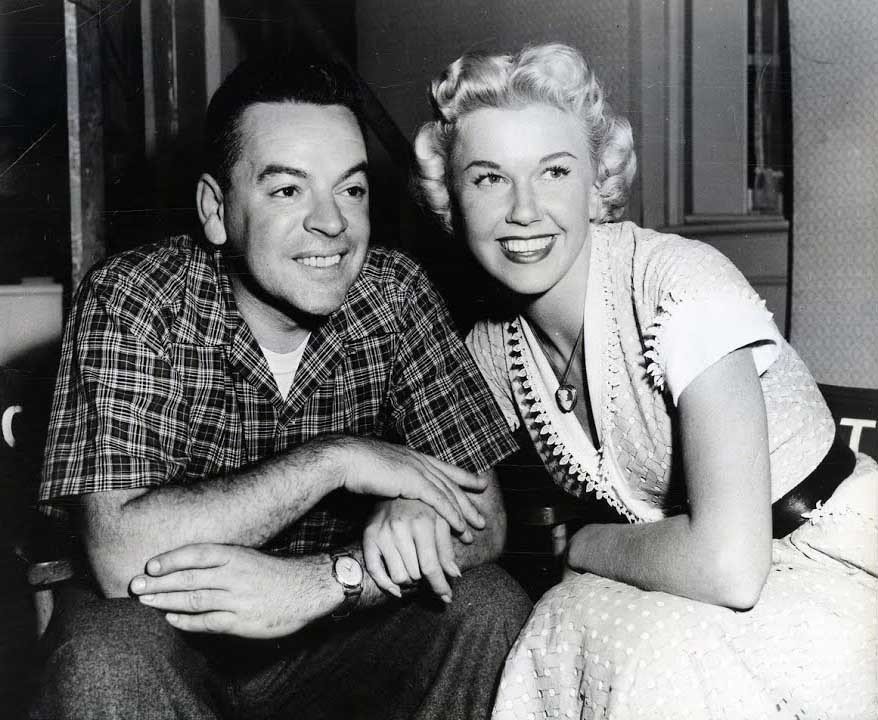
Day left the band for a solo career in 1946, signed with Columbia Records the following year, and went on to record more than 650 songs and become one of the biggest film stars of the 1950s and ’60s — all while Les Brown and His Band of Renown kept returning to Denver, and to the Troc, for decades to come. In 1952–53, the two even reunited on the air, with Brown leading the orchestra on Day’s own CBS radio program.
Doris Day passed away in 2019 at the age of 97, remembered as much for her decades of animal welfare advocacy as for her music and films — but it all started with a band and a ballroom circuit, the very circuit that once ran through the Trocadero’s dance floor at Elitch Gardens.
More Info
Wikipedia: https://en.wikipedia.org/wiki/Doris_Day
Les Brown: https://historicelitchtheatre.org/les-brown/