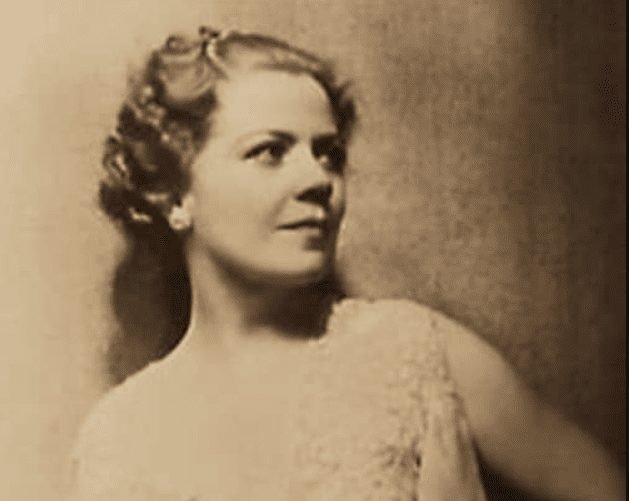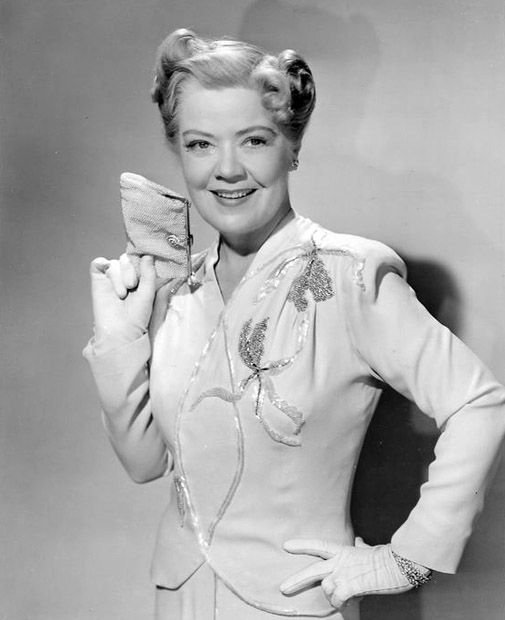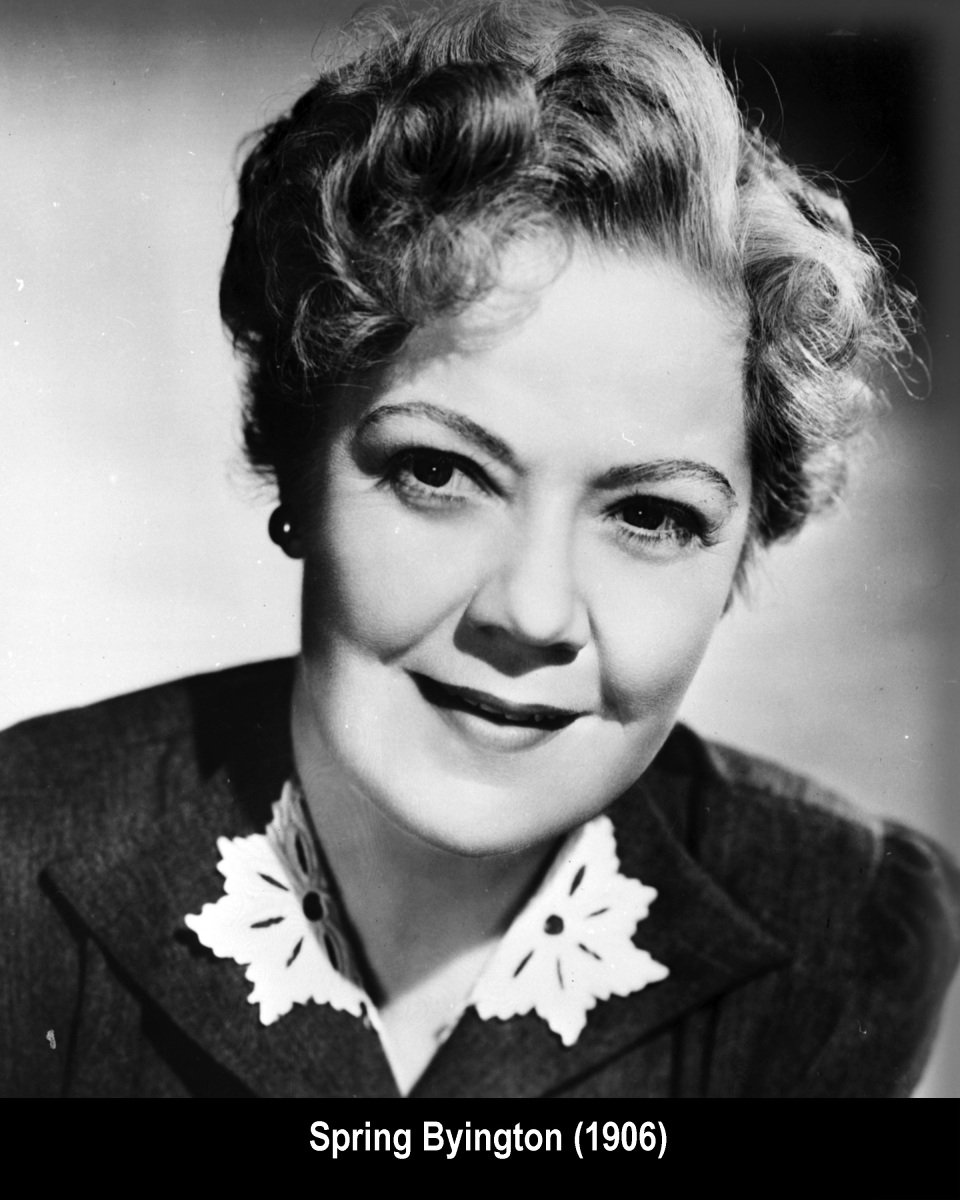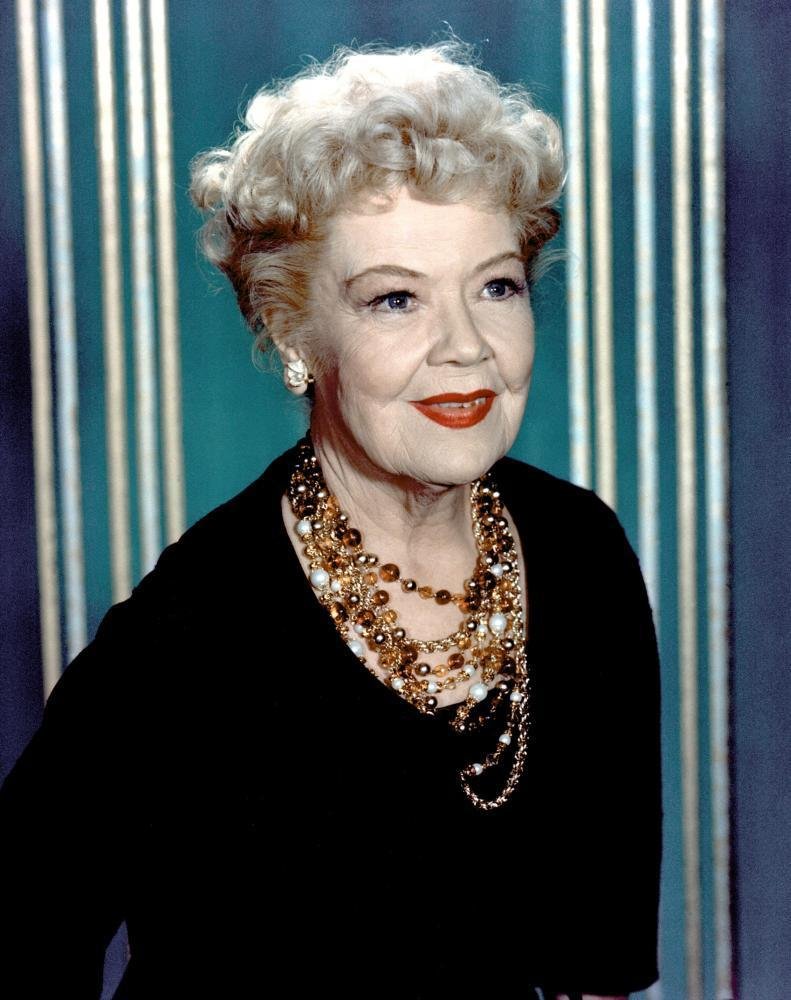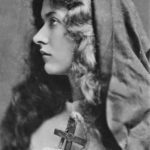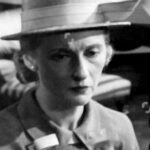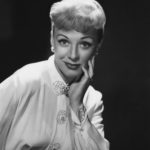
Spring Byington held a special place among Elitch Theatre alumni: unlike many stars who arrived at the height of fame, she got her start on the Elitch stage as a teenager, learning the craft that would eventually make her one of Hollywood’s most beloved character actresses. Born in Colorado Springs and raised largely in Denver, Byington launched her professional acting career with the Elitch Garden Stock Company, appearing in the theatre’s resident company productions before going on to a screen and broadcast career that spanned five decades.
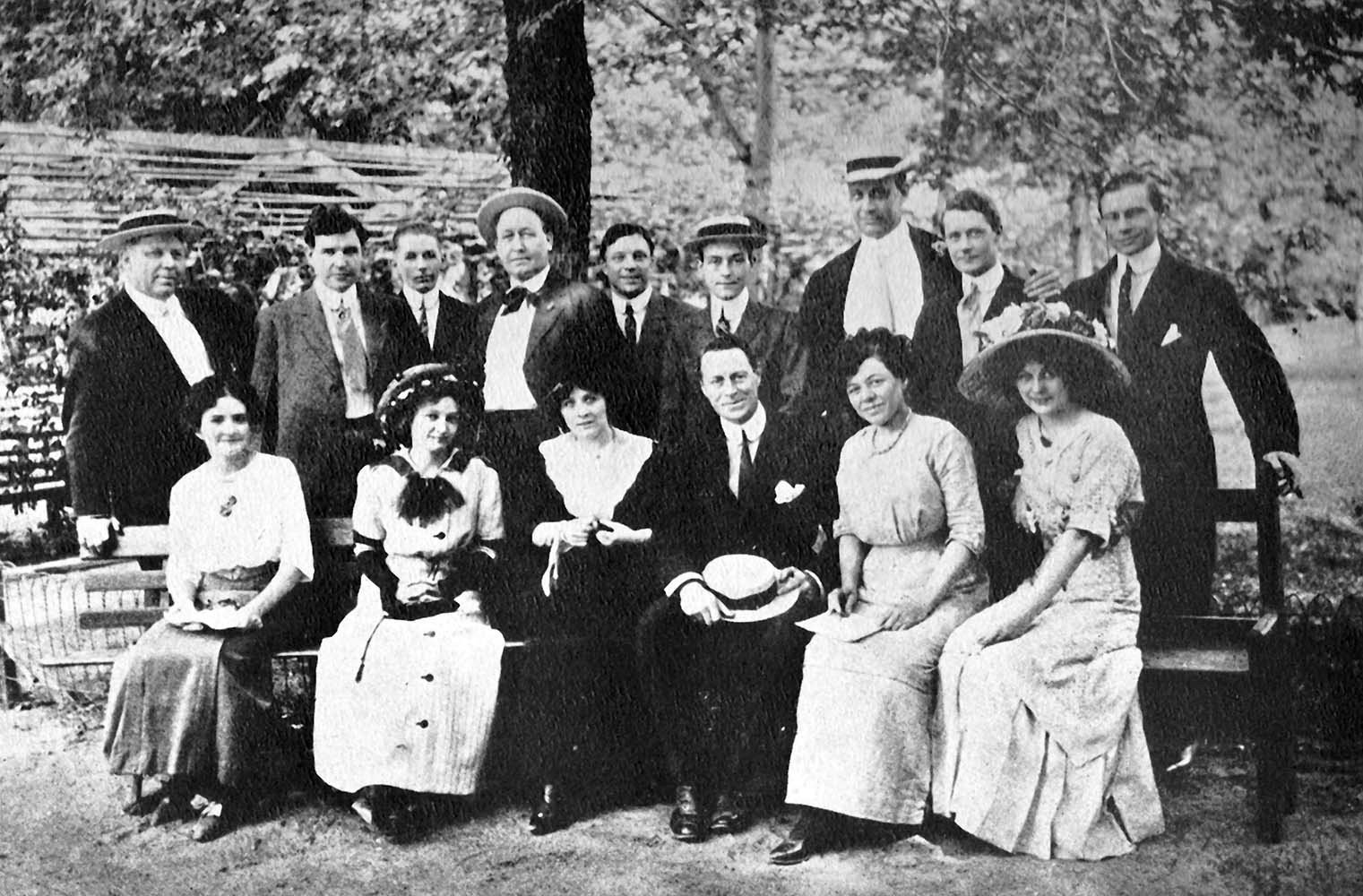
Byington’s Elitch roots ran deep. She joined the resident company for the 1906 season, sharing the stage with a young Douglas Fairbanks in the McCarthy costume drama If I Were King. After building her craft on tour, she returned to Denver for the Elitch Theatre’s landmark 25th-anniversary season in 1914 — again as part of the resident company — and came back once more the following year. Those formative Denver summers gave her the stock-company training in comedy and timing that would define her later career.
From Elitch, Byington moved on to a substantial Broadway career, making her debut in 1924 in George S. Kaufman and Marc Connelly’s Beggar on Horseback. Over the following decade she appeared in roughly twenty New York productions, including Kaufman and Moss Hart’s Once in a Lifetime, Rachel Crothers’ When Ladies Meet, and a turn as Nerissa opposite George Arliss’s Shylock in The Merchant of Venice.
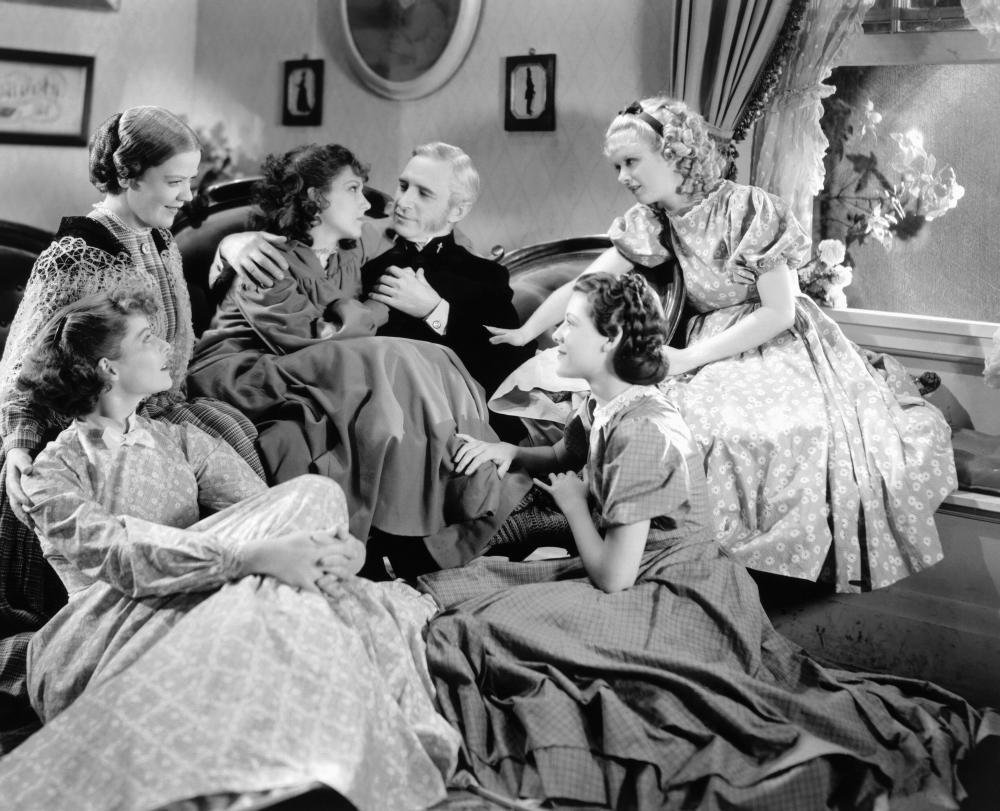
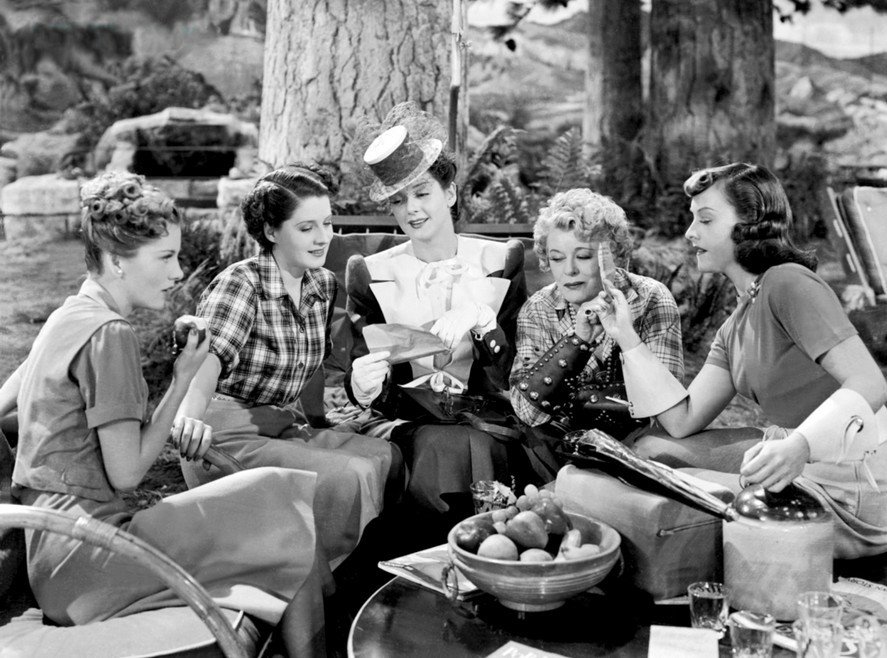
Hollywood beckoned in the 1930s, and Byington quickly became one of MGM’s most reliable character players, specializing in warm, fluttery mothers and matrons. She earned lasting recognition as Marmee in Little Women (1933) opposite Katharine Hepburn, and received an Academy Award nomination for Best Supporting Actress for her role as Penelope Sycamore in Frank Capra’s You Can’t Take It with You (1938). She appeared in more than 100 films over her career, ranging from Mutiny on the Bounty to Jezebel to In the Good Old Summertime.
Byington’s greatest fame, however, came on the small screen. Beginning on radio in 1952 and then on television from 1954 to 1959, she starred as the endearing widow Lily Ruskin in December Bride, a role that made her, in her own words, “America’s favorite mother-in-law” and earned her two Emmy nominations. She continued working steadily in television through the 1960s, including a three-year run on the Western series Laramie, before her final on-screen role in 1968. Spring Byington died in Los Angeles in 1971 at the age of 84, leaving behind a legacy that began, in part, on the Elitch stage.
Seasons at the Theatre
Elitch Theatre Productions/Roles:
- 1906 — If I Were King (by Justin Huntly McCarthy), featured in the supporting cast alongside Douglas Fairbanks, Ernest Truex, and Janet Beecher
- 1914 — Member of the Elitch Theatre resident company for the theatre’s 25th-anniversary (Silver Jubilee) season, which included productions such as The Spendthrift, Mrs. Dot, Years of Discretion, You Never Can Tell, The Virginian, The Lottery Man, and The Yellow Jacket.
- 1915 — Returned to the Elitch Theatre with a touring company during the theatre’s final season under Mary Elitch Long’s management
Notable Roles, Awards, and Other Work:
- Broadway (1924–1935): Beggar on Horseback (1924–25), Weak Sisters (1925), Puppy Love (1926), The Great Adventure (1926), Skin Deep (1927), The Merchant of Venice (1928, as Nerissa), To-night at 12 (1928), Be Your Age (1929), Jonesy (1929), Ladies Don’t Lie (1929), I Want My Wife (1930), Once in a Lifetime (1930), Ladies of Creation (1931), We Are No Longer Children (1932), When Ladies Meet (1932–33), The First Apple (1933), No Questions Asked (1934), Jig Saw (1934), and Piper Paid (1934)
- Film: Little Women (1933) as Marmee March; Mutiny on the Bounty (1935); Dodsworth (1936); Theodora Goes Wild (1936); You Can’t Take It with You (1938) — Academy Award nomination, Best Supporting Actress; Jezebel (1938); the Jones Family film series (1936–1940); Meet John Doe (1941); Heaven Can Wait (1943); Dragonwyck (1946); In the Good Old Summertime (1949); Louisa (1950) — Golden Globe nomination, Best Actress in a Musical or Comedy; Angels in the Outfield (1951); Please Don’t Eat the Daisies (1960)
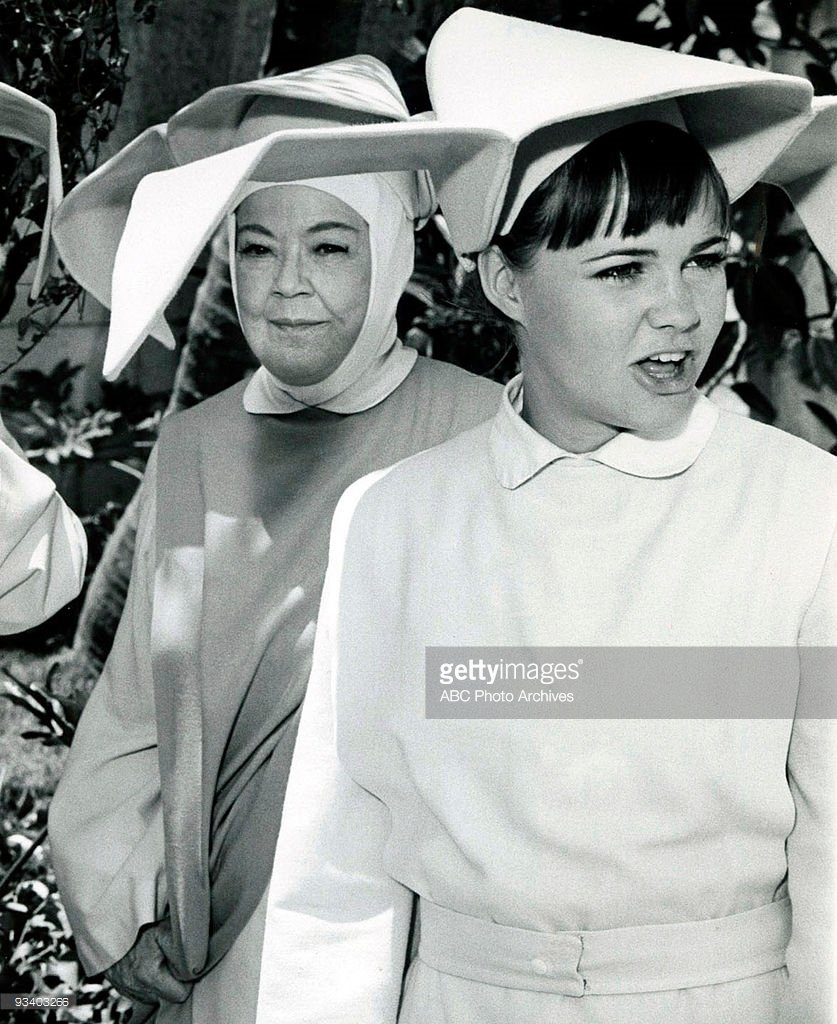
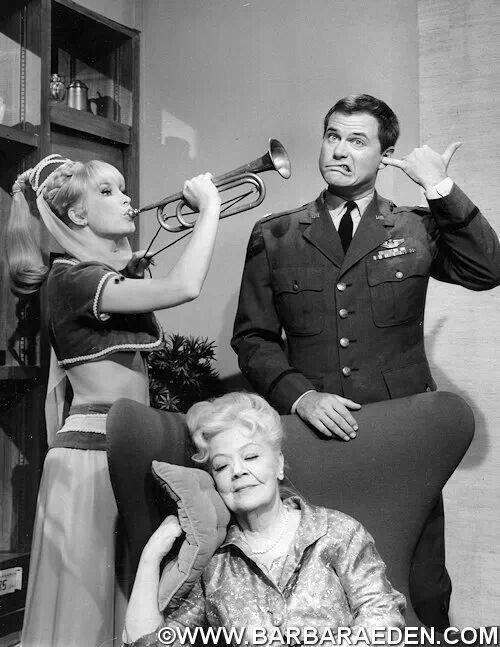
- Radio and Television: seven-year run on radio and television as the star of December Bride on CBS Radio (1952) and then television (1954–1959, 157 episodes) as Lily Ruskin — two Primetime Emmy nominations (1957, 1958); Laramie (1961–1963) as Daisy Cooper; Batman (1966); I Dream of Jeannie (1967); The Flying Nun (1968, her final role)
- Byington received an Academy Award for Best Supporting Actress nomination for her role as Penelope Sycamore in You Can’t Take It with You (1938).
Elitch Theatre Connections:
- 1934 — Jigsaw — Broadway Play — Cora Witherspoon; Ernest Truex (Appeared together in the same Theatre Guild Broadway production.)
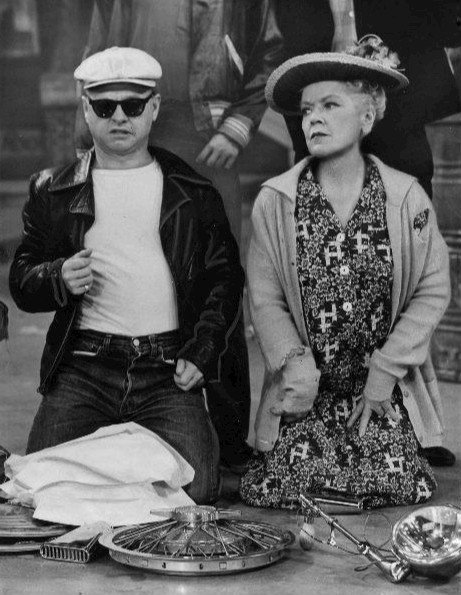
- Ah, Wilderness! (Film, 1935) — Mickey Rooney (HET 1972): Co-starred; Byington played his mother, Essie Miller. [Wikipedia]
- A Family Affair (Film, 1937) — Mickey Rooney (HET 1972): Co-starred; first Andy Hardy film — Byington played his mother. [TCM]
- The Big Wheel (Film, 1949) — Mickey Rooney (HET 1972): Co-starred; Byington again played his mother. [TCM]
- Green Light (Film, 1937) — Walter Abel (HET 1975): Co-starred; Byington played the mother of Abel’s love interest. [Wikipedia]
- The Buccaneer (Film, 1938) — Fredric March (HET 1926), Douglass Dumbrille (HET 1926), Beulah Bondi (HET 1925): All co-starred in the principal cast alongside Byington. Bonus non-cast link: director Cecil B. DeMille (HET 1905). [Wikipedia]
- Jezebel (Film, 1938) — George Brent (HET 1929): Co-starred in the principal cast.
- Lucky Partners (Film, 1940) — Ginger Rogers (HET 1975): Co-starred; Byington played Rogers’s aunt.
- Roxie Hart (Film, 1942) — Ginger Rogers (HET 1975): Co-starred in the principal cast.
- The War Against Mrs. Hadley (Film, 1942) — Van Johnson (HET 1977), Isobel Elsom (HET 1928), Kay Medford (HET 1970): All appeared in the same cast — a four-alumnus overlap.
- I’ll Be Seeing You (Film, 1944) — Ginger Rogers (HET 1975): Co-starred; Byington played her mother.
- Thrill of a Romance (Film, 1945) — Van Johnson (HET 1977): Co-starred.
- Dragonwyck (Film, 1946) — Vincent Price (HET 1979): Co-starred in the principal cast.
- It Had to Be You (Film, 1947) — Ginger Rogers (HET 1975): Co-starred; Byington played her mother (their 4th film together).
- In the Good Old Summertime (Film, 1949) — Van Johnson (HET 1977): Co-starred. [Wikipedia filmography]
- Angels in the Outfield (Film, 1951) — Lewis Stone (HET 1913) and James Whitmore: Co-starred in the principal cast.
- Because You’re Mine (Film, 1952) — James Whitmore (HET 1969): Co-starred in the principal cast.
- The Devil and Miss Jones (Film, 1941) — Robert Cummings (HET 1968): Co-starred
- Batman, “The Sandman Cometh“/”The Catwoman Goeth“ (TV, 1966) — Julie Newmar (HET 1968): Guest-starred together in the same two-part episode; Newmar as Catwoman, Byington as J. Pauline Spaghetti.
- When Ladies Meet (Broadway play, 1932–33, Royale Theatre) — Walter Abel (HET 1975), Selena Royle (HET 1930): Original Broadway cast members together. [Playbill]
- Jig Saw (Broadway play, 1934, Ethel Barrymore Theatre) — Ernest Truex (HET 1903), Cora Witherspoon (HET 1926): Original Broadway cast members together. [Wikipedia]
- Mickey Rooney guest starred in Byington’s TV show, December Bride.
Wikipedia Link: