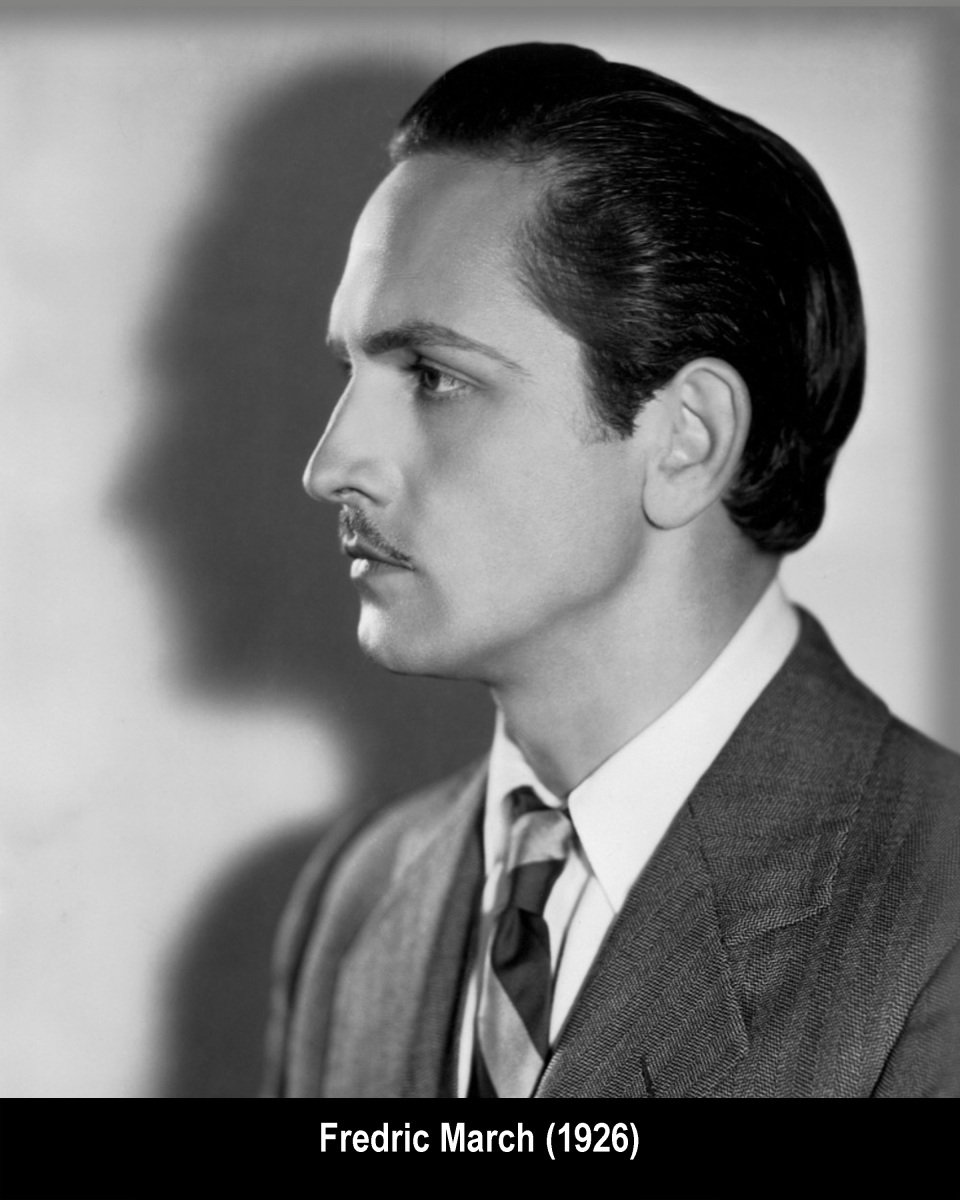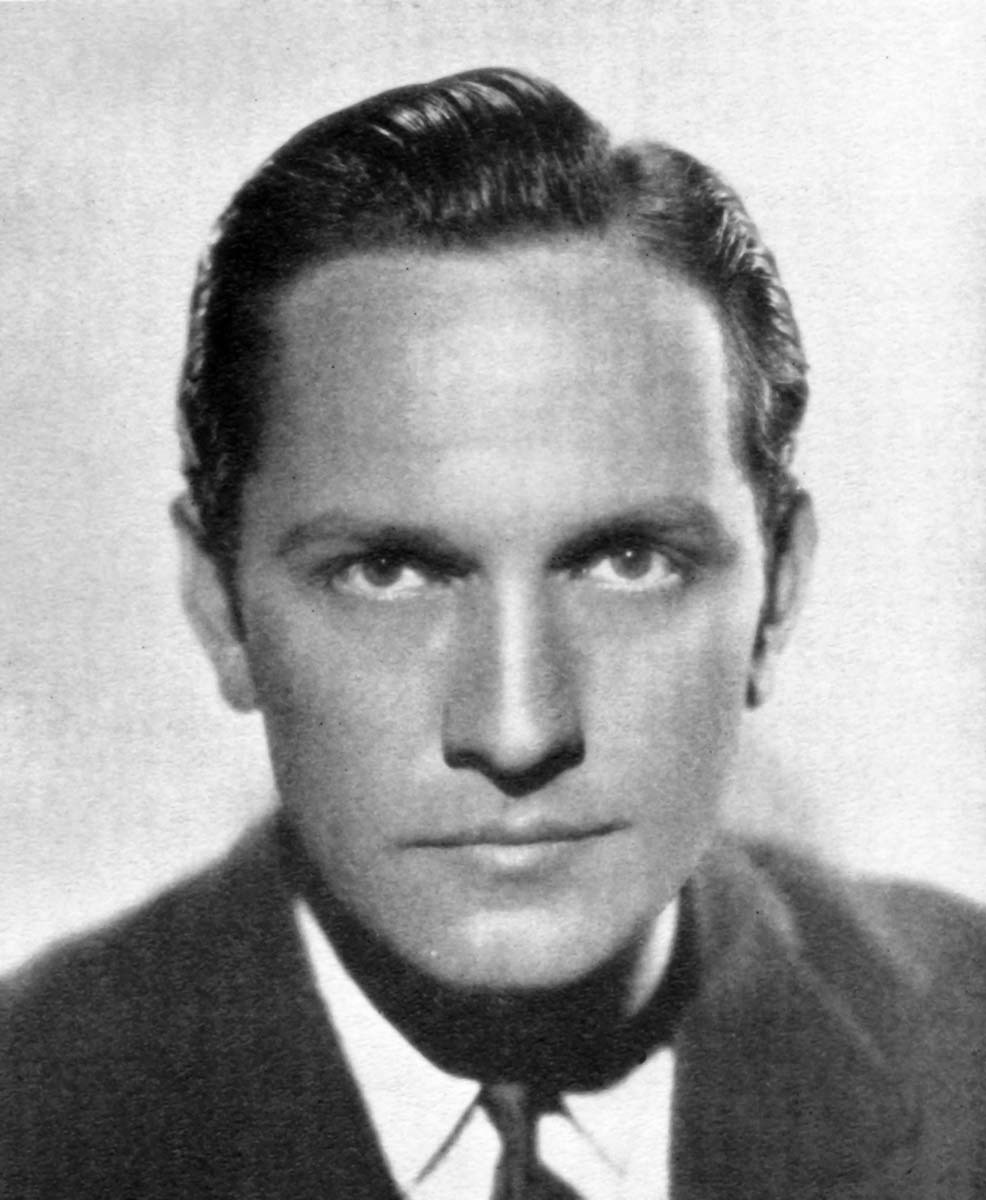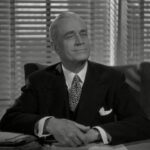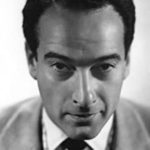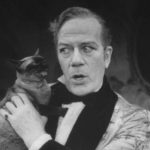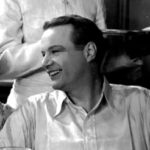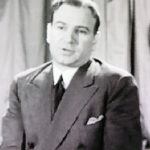
Fredric March (born Ernest Frederick McIntyre Bickel, 1897–1975) became one of the most honored actors of Hollywood’s golden age, and one of only two performers ever to win both the Academy Award and the Tony Award twice. A graduate of the University of Wisconsin who briefly tried his hand at banking, March discovered his true calling on the stage after a stint as a movie extra in New York. By the mid-1920s he was building a reputation as a promising young leading man, a reputation that soon brought him to Denver.
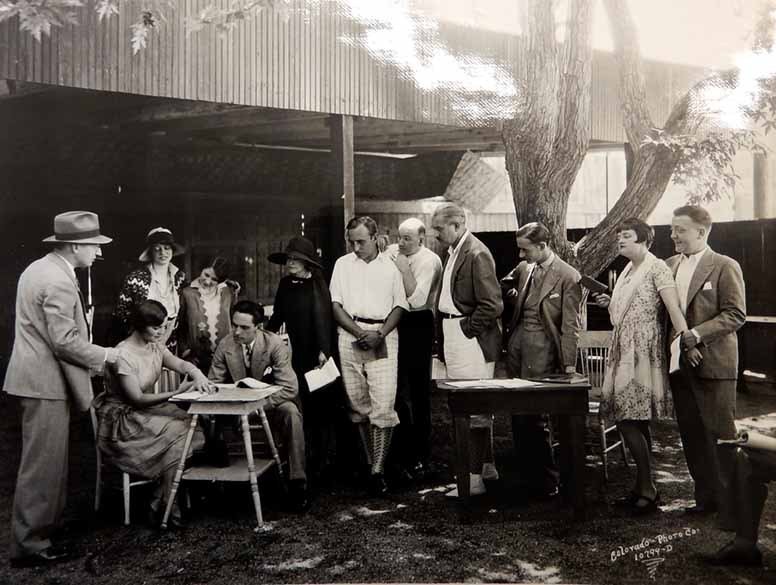
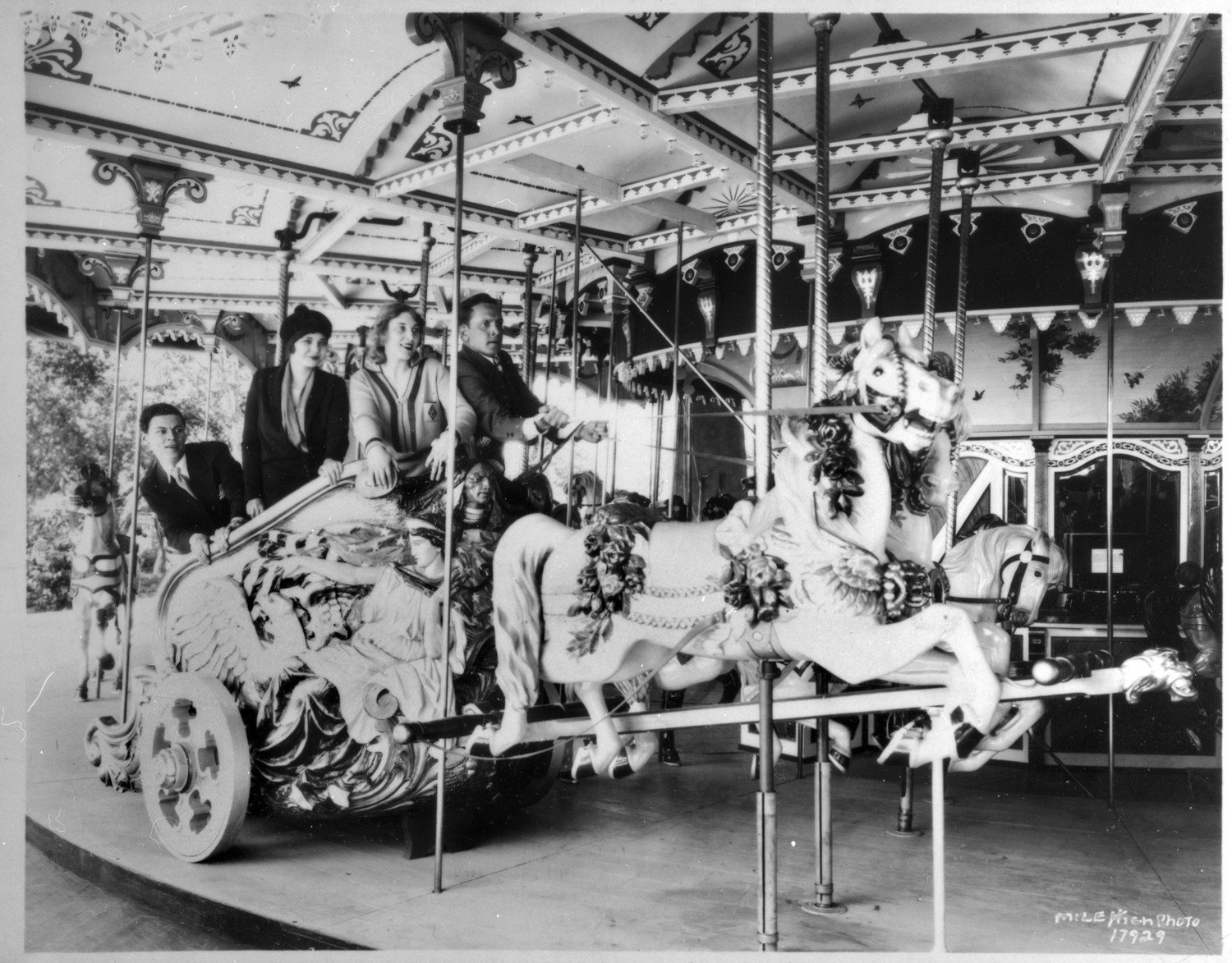
March’s connection to Elitch Theatre began in 1925, when director Melville Burke saw his performance as the lead in The Half Caste in New York and was impressed enough to engage him as leading man for Elitch’s 1926 season. It was a season that would change March’s life: his leading lady that summer was a rising Broadway actress named Florence Eldridge. The two fell in love, and after the season ended they married. As March later recalled in a 1952 interview, being chosen as an Elitch leading man carried real weight in the profession: a successful season at Elitch was considered “a feather in the cap” that could open doors to better parts back in New York. March returned to lead the company for the 1927 and 1928 seasons as well, cementing his ties to the historic Denver theatre during a pivotal stretch of his early career.
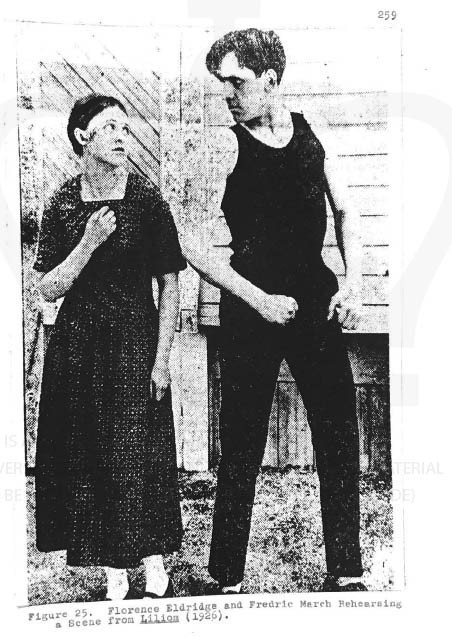
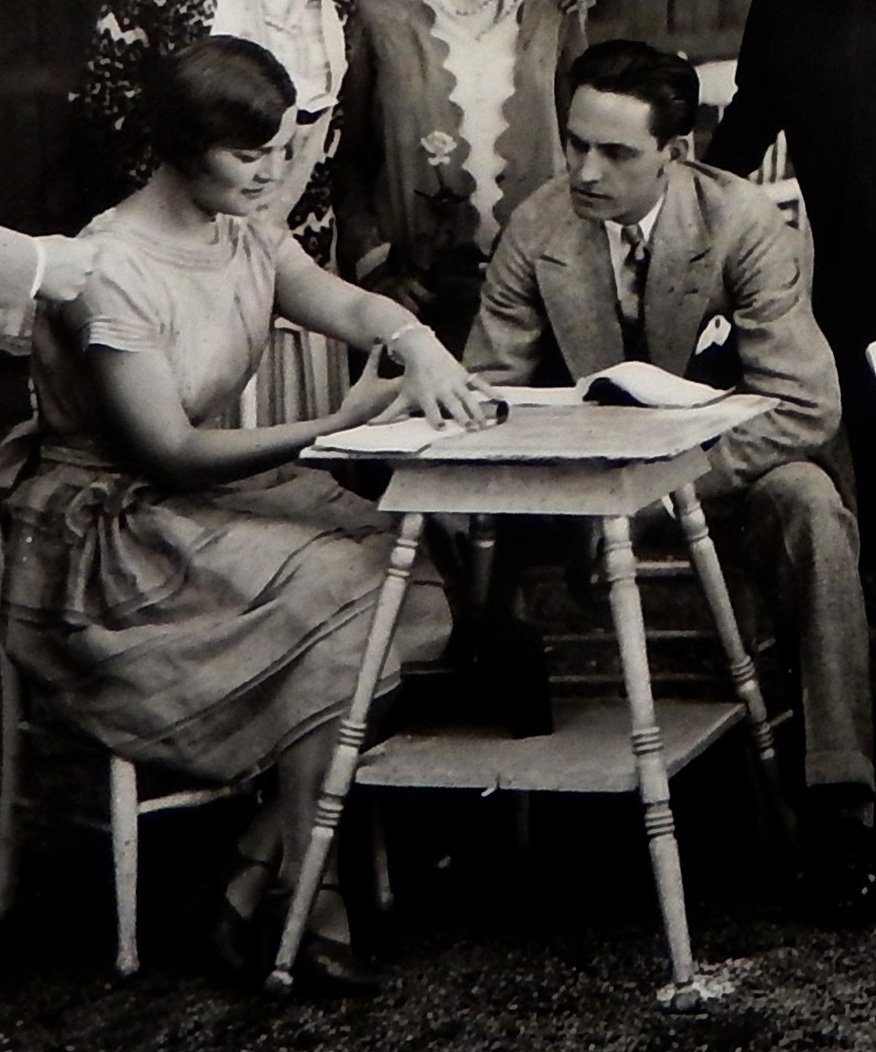
Fredric March and Florence Eldridge were the lead actors for the 1926 season. In a book entitled The Elitch Garden Story (Memories of Jack Gurtler), by Jack Gurtler and Corinne Hunt, and published in 1982, the following story is told about Fredric March and Florence Eldridge. John Mulvihill (Gurtler’s grandfather), had a policy that no leading man would be married to his leading lady because he believed that “people would not pay money to watch a man make love to his own wife on stage.” During the run, Fredric March informed John Mulvihill that he was in love with Florence Eldridge and that they wanted to get married. Mulvihill alerted March to his policy. March may not have taken him seriously, for he and Florence Eldridge drove to Colorado Springs and got married. Mulvihill confronted March, saying “I understand that you are now man and wife,” to which March replied, “That’s right, J.M.! I love this girl too much to take the chance of losing her by waiting till the season’s over.” Mulvihill fired Florence Eldridge. Mulvihill had already engaged another to play her part during the season.
Fredric March, in an interview in 1952, stated:
I felt exceedingly fortunate to be selected as leading man in 1926. It was the tradition of the place. At that time it was known all over the East and it was considered a feather in the cap of an actor to have played a season at Elitch. Anyone who was successful there had an excellent chance of getting better parts when he returned to New York.
[Borrillo, Theodore A., (2012). Denver’s historic Elitch Theatre : a nostalgic journey (a history of its times). pp. 143.]
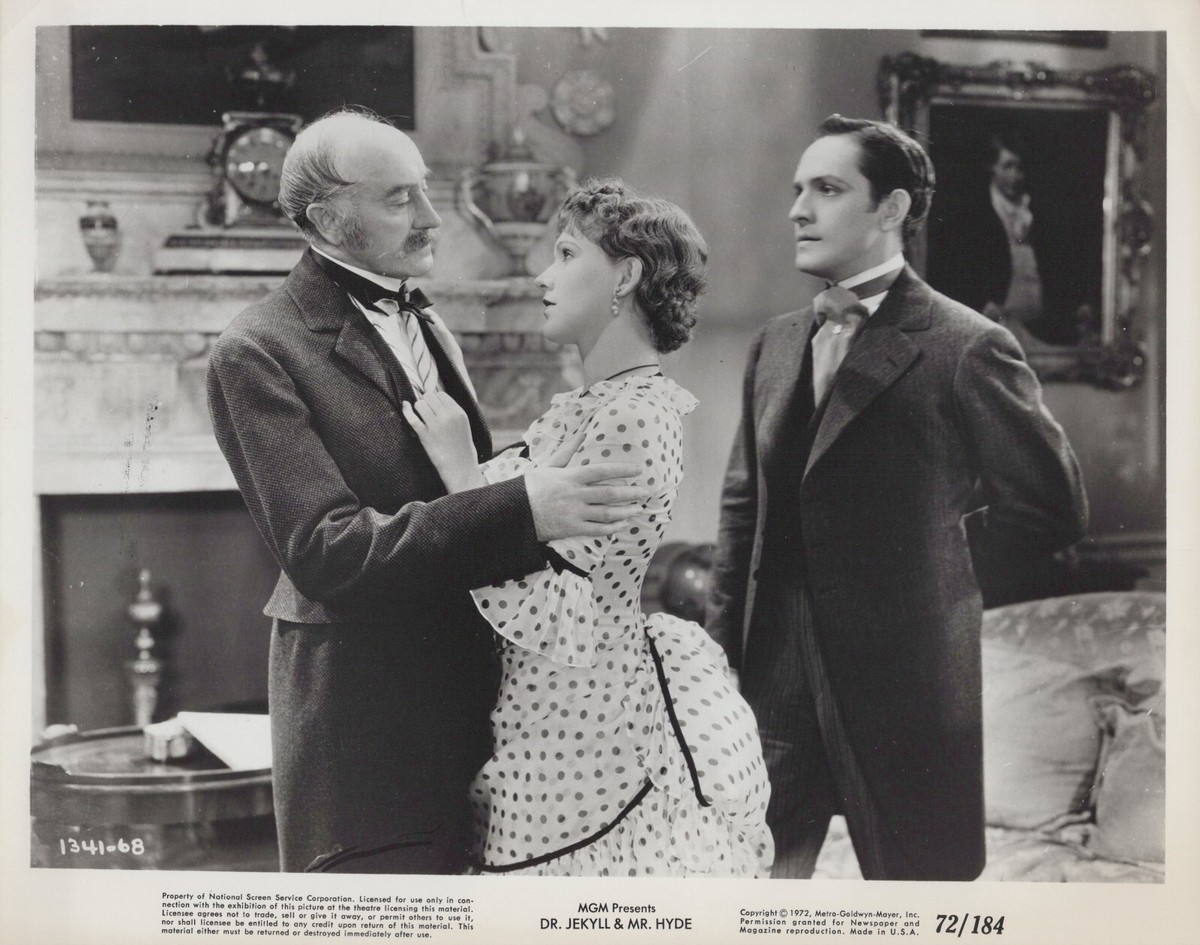
From Elitch, March’s career accelerated quickly. He signed with Paramount Pictures by the end of the 1920s and became a defining leading man of 1930s Hollywood, prized for his versatility and his ability to disappear into roles ranging from Robert Browning to Dr. Jekyll and Mr. Hyde. He won his first Academy Award for Dr. Jekyll and Mr. Hyde (1931) and went on to star in a string of prestige films opposite the era’s biggest names, including Greta Garbo, Charles Laughton, Gary Cooper, and Olivia de Havilland. He won a second Oscar in 1946 for The Best Years of Our Lives, a film that also reunited him with fellow Elitch alumna Myrna Loy and Teresa Wright.
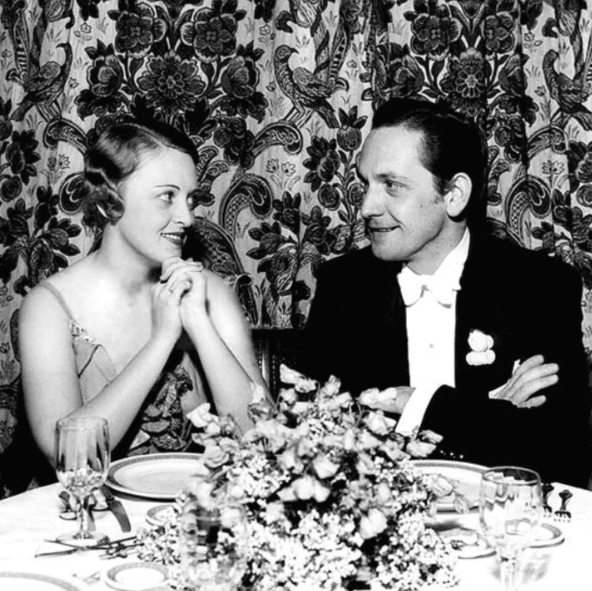
Fredric March is remembered today as one of the defining actors of American stage and screen — a performer whose extraordinary range and craftsmanship earned him a place among Hollywood’s elite. For Elitch Theatre, he remains a source of particular pride: not only one of the many stars who took its stage on the way to greater fame, but the leading man whose Elitch season brought together the celebrated acting partnership, and marriage, of March and Eldridge.
The Marches first met while members of the Elitch’s Gardens Summer Theatre company, in Denver, Colorado in 1926. At the time, Eldridge was a young rising star on the Broadway stage, while March had just begun to break into the Broadway spotlight. Elitch’s Gardens provided them a learning opportunity which had nurtured many other theatre illuminaries. The oldest summer theatre in America, Elitch’s counted among their alumni some of America’s finest actors including Minnie Maddern Fiske, Beaulah Bondi, David Warfield, Douglas Fairbanks, Sr., Cecil B. DeMille, Edward G. Robinson, Sylvia Sidney and countless others.
[Parrish, Vicki Payne. “The American Stage Careers of Fredric March and Florence Eldridge,” p. 3.]
Seasons at the Theatre
Productions/Roles:
- March served as the company’s leading man for three consecutive seasons (1926–1928), sharing the stage with leading lady Florence Eldridge in 1926. Specific production titles from these seasons are not currently documented in the HET archive.
Notable Roles, Awards, and Other Work:
- March received numerous accolades including two Academy Awards, a Golden Globe Award, and two Tony Awards as well as nominations for three BAFTA Awards and three Emmy Awards.
- March received two Academy Awards, for his performances in Dr. Jekyll and Mr. Hyde (1931) and The Best Years of Our Lives (1947).
- Academy Awards: Won Best Actor twice — for Dr. Jekyll and Mr. Hyde (1931) and The Best Years of Our Lives (1946) — with additional nominations for The Royal Family of Broadway (1930), A Star Is Born (1937), and Death of a Salesman (1951).
- Tony Awards: Won Best Actor in a Play twice, for Years Ago (1947) and Long Day’s Journey Into Night (1956/57). March and Helen Hayes are the only performers to have won both the Academy Award and the Tony Award twice.
- Other honors: A Golden Globe Award, two Volpi Cups, the Silver Bear for Best Actor, and nominations for three BAFTA Awards and three Emmy Awards. In 1957 he received the George Eastman Award for distinguished contribution to the art of film.
- Landmark film roles:Anna Karenina (1935, with Greta Garbo), Les Misérables (1935, with Charles Laughton), Design for Living (1933), Anthony Adverse (1936), Nothing Sacred (1937), I Married a Witch (1942), Executive Suite and The Bridges at Toko-Ri (1954), The Desperate Hours (1955, with Humphrey Bogart), Inherit the Wind (1960, with Spencer Tracy), and Seven Days in May (1964).
- Public life: In 1959, read the Gettysburg Address before a joint session of the U.S. Congress marking Abraham Lincoln’s sesquicentennial. A longtime advocate for civil rights, March co-founded the Hollywood Anti-Nazi League in 1936 and worked closely with the NAACP over several decades. Has a star for motion pictures on the Hollywood Walk of Fame.
Elitch Theatre Connections:
- The 1932 film, Merrily We Go to Hell, as well as the 1934 film, Good Dame, starred March and alumna, Sylvia Sidney.
- March appeared in Honor Among Lovers with Ginger Rogers.
- The film The Best Years of our Lives starred March, as well as alumna, Myrna Loy and Teresa Wright.
- In 1931, March co-starred with Elitch Alum Rose Hobart in the film version of Dr. Jekyll and Mr. Hyde (1931).
- Appeared on Broadway with his wife, Florence Eldridge, in Long Day’s Journey into Night.
- On Broadway in The Autumn Garden with alums, Florence Eldridge and Kent Smith.
- March appeared in multiple films with his wife, Elitch Theatre Alum, Florence Eldridge, including Les Misérables and Christopher Columbus .
- March starred in Inherit the Wind and the cast included his wife, Elitch Theatre Alumna, Florence Eldridge.
- The original Broadway production of The American Way opened at the Center Theatre on January 21, 1939. March appeared with Florence Eldridge. Elitch Alum, Dick Van Patten, had a role as Martin’s grandson, Karl, at age 9; and HET alum, David Wayne, played an adult version of the same character.
- The Buccaneer (Film, 1938) with Spring Byington, Douglass Dumbrille, and Beulah Bondi: All co-starred in the principal cast alongside Byington. Bonus non-cast link: director Cecil B. DeMille (HET 1905). [Wikipedia]
Wikipedia Link: