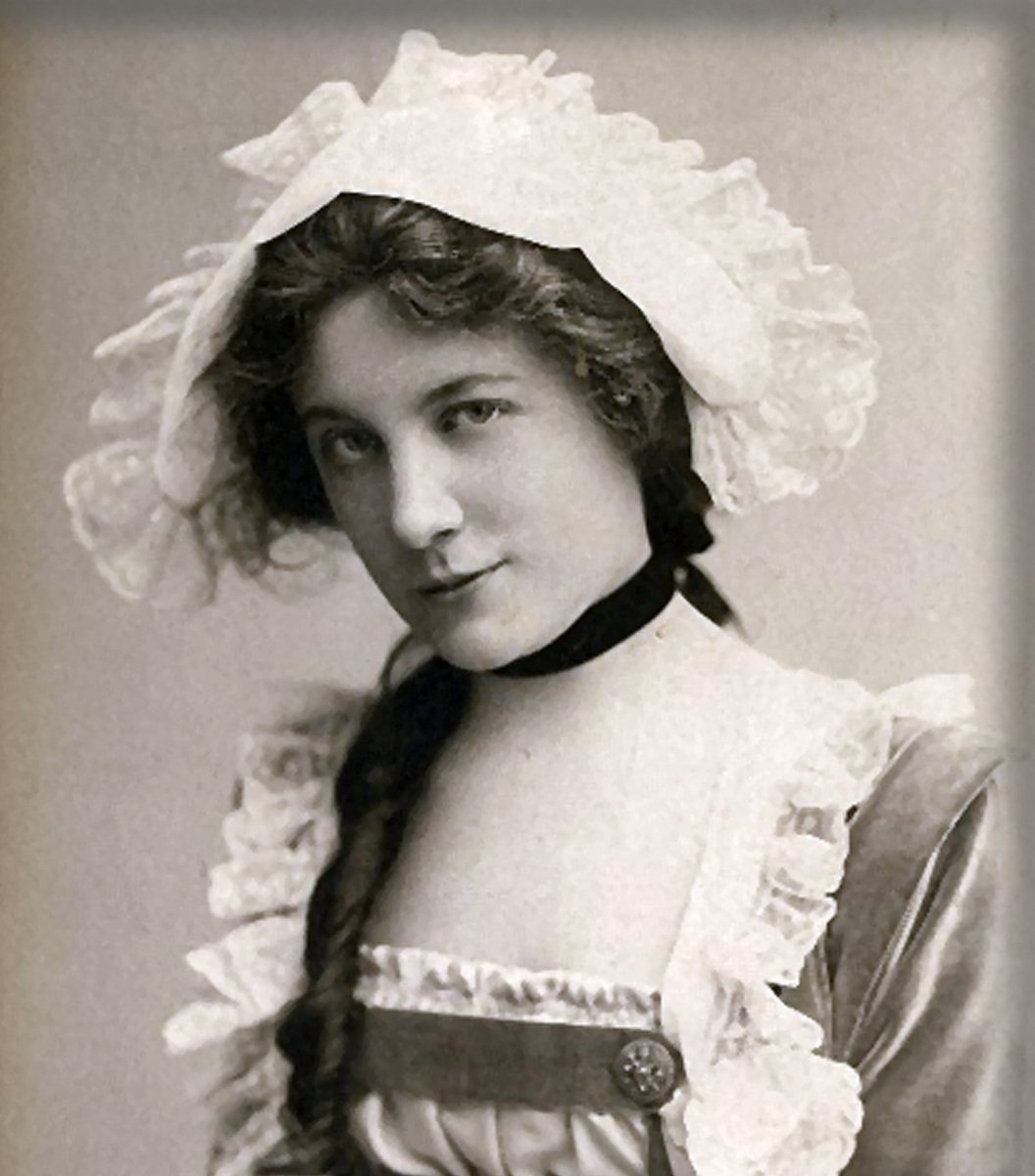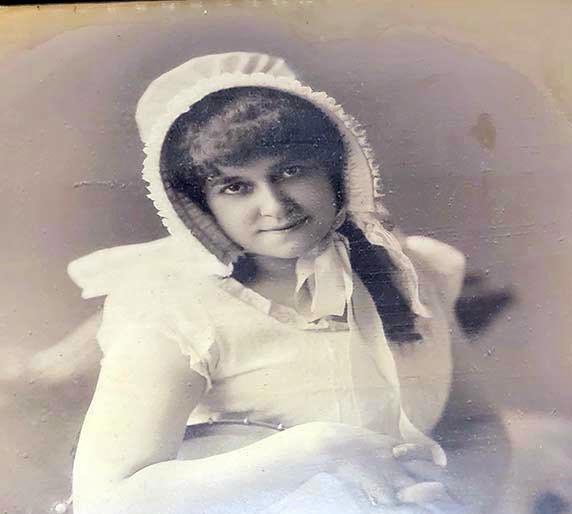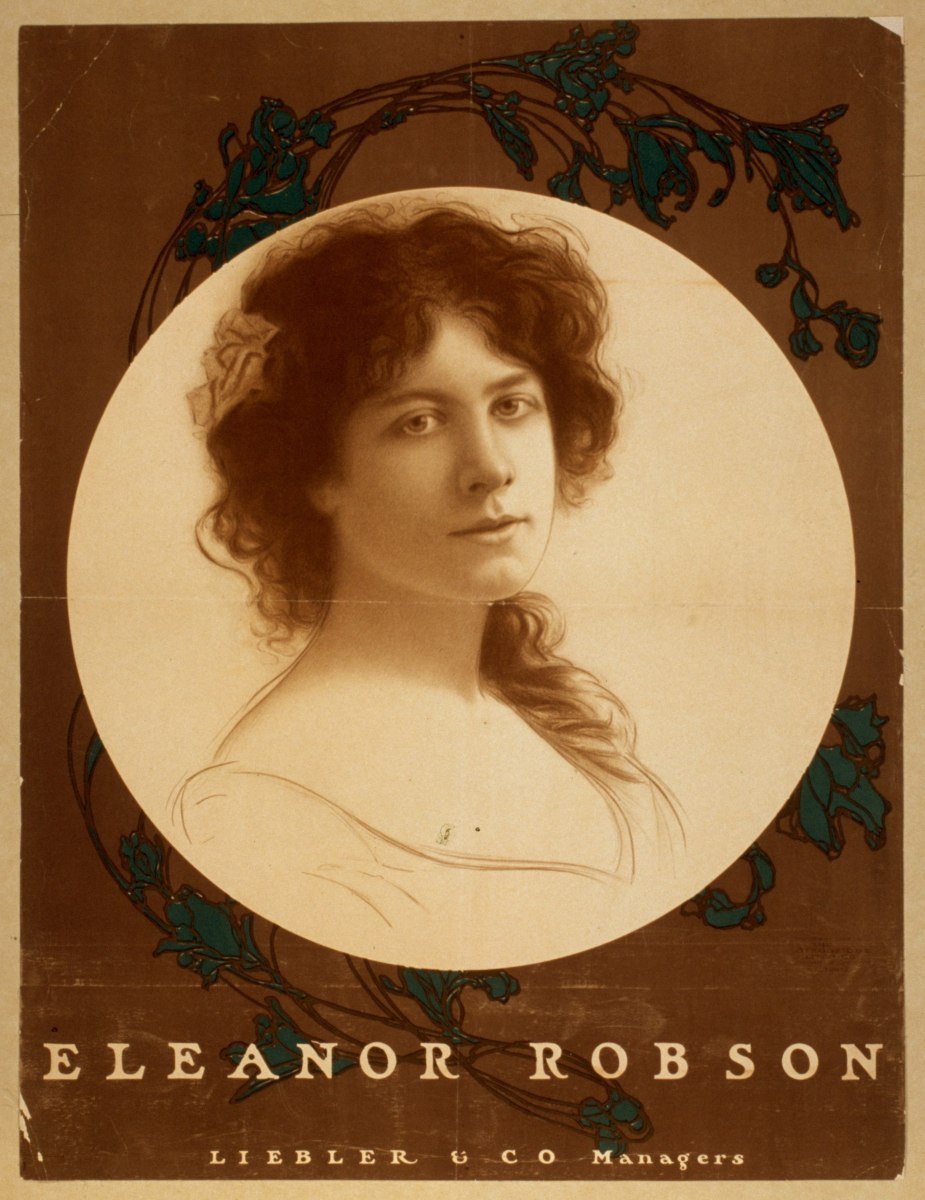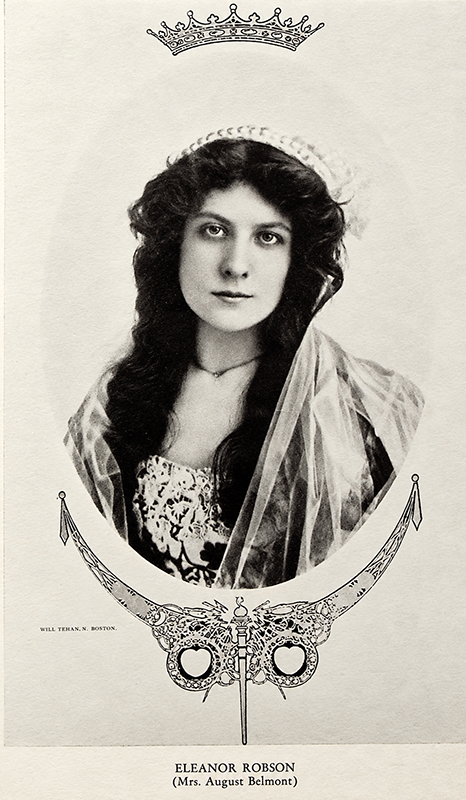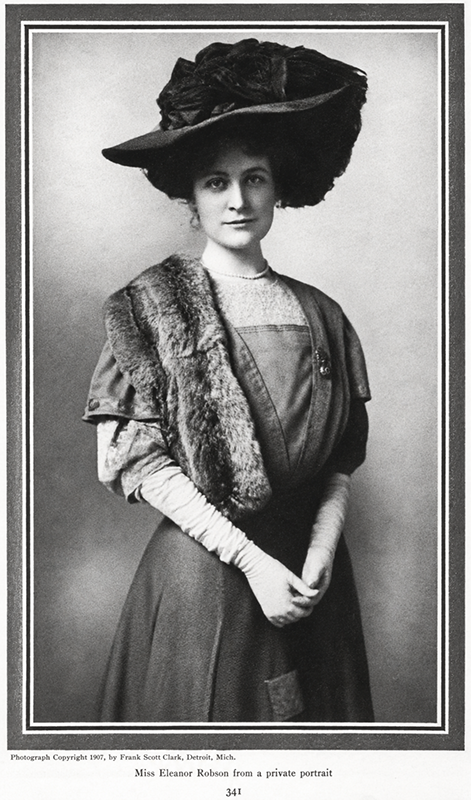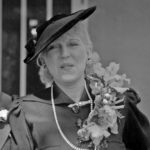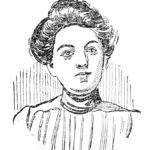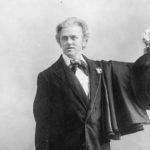
Eleanor Robson Belmont (1879–1979) lived two remarkable public lives: first as Eleanor Robson, one of the leading actresses of the American stage at the turn of the twentieth century, and later as a formidable philanthropist and champion of the arts. Born in Wigan, England, and raised largely in the United States, Robson came from a theatrical family—her mother, actress Madge Carr Cook, was herself an Elitch performer. Robson made her professional debut with the Frawley Stock Company in San Francisco in 1897 and quickly gained experience in stock companies across the country. By the summer of 1899, she had joined the resident company at Elitch Theatre in Denver, appearing at an important transitional moment in both her own career and the development of Elitch’s celebrated summer-stock tradition.
The 1899 Elitch company was an impressive ensemble that included Robson, her mother Madge Carr Cook, Henrietta Crosman, J. Henry Kolker and others under stage director Walter Clarke Bellows. That summer’s repertory included The Charity Ball, The Senator, Cyrano de Bergerac, Too Much Johnson, Trilby, Alabama, The Ironmaster, Madame Sans-Gêne, Diplomacy, Camille, A Scrap of Paper, The Private Secretary, and The Masked Ball. A period theatrical biography identifies Robson’s roles as Bess Van Buren in The Charity Ball and Carey in Alabama, both plays produced during the 1899 Elitch season. The same source notes that immediately after her Denver engagement she joined the company of Augustus Thomas’s Arizona, making the Elitch summer a particularly significant stepping stone between her early stock-company apprenticeship and national prominence.
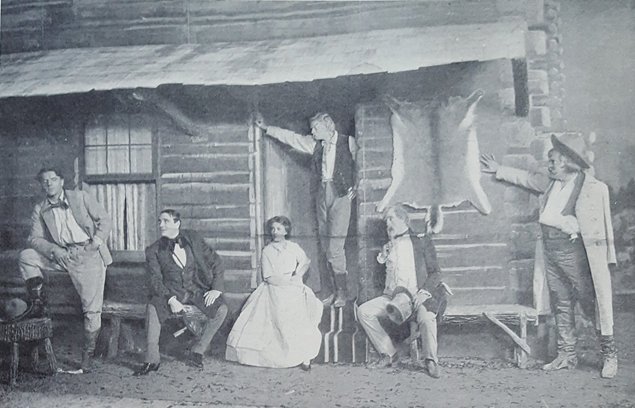
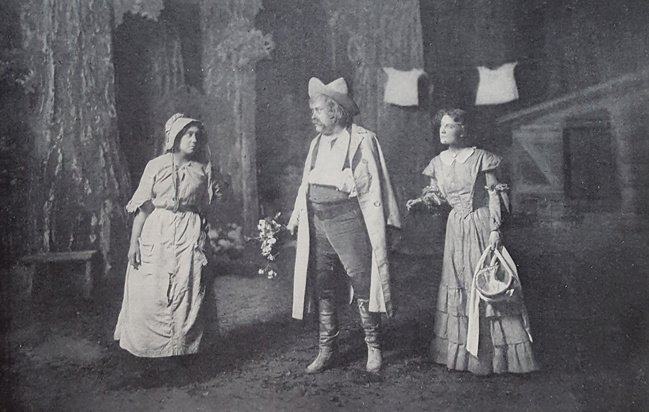
In 1900, Robson made her Broadway debut as Bonita Canby in Arizona and soon became a major leading lady. Her subsequent successes included Constance in Robert Browning’s In a Balcony, Juliet in Romeo and Juliet, Kate Hardcastle in She Stoops to Conquer, the title role in Salomy Jane, and, most famously, Mary Ann in Israel Zangwill’s Merely Mary Ann. Her performance in Merely Mary Ann became closely associated with her career, and during its London engagement she attracted the admiration of George Bernard Shaw, who conceived Major Barbara with Robson in mind, although contractual obligations ultimately prevented her from creating the role. By 1907 she had also taken greater control of her career, serving as producer as well as star of the Broadway revival of Merely Mary Ann. Her stature was considerable: the New York Times would later remember that for thirteen years she had been acclaimed by hundreds of thousands of theatregoers as one of the leading women of the American theatre.
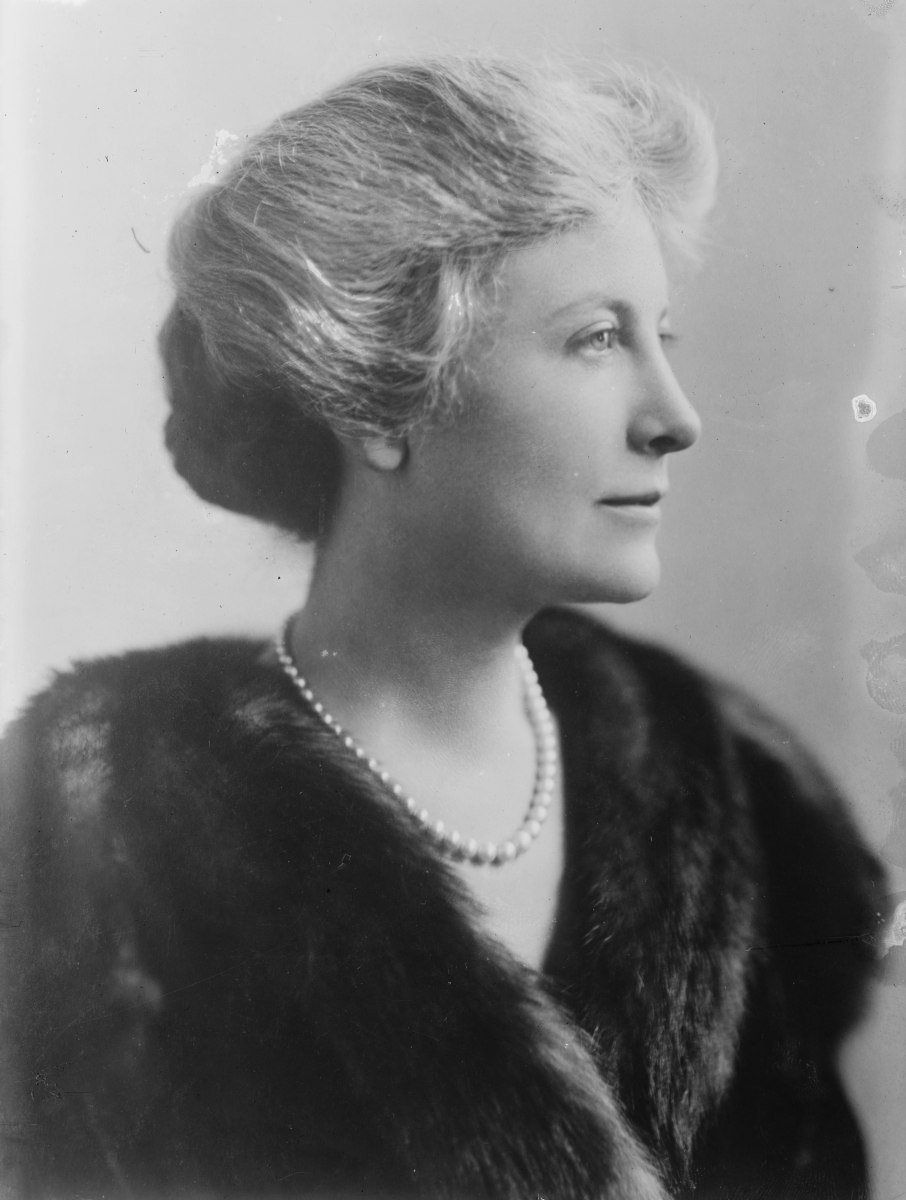
Robson retired from acting after marrying financier August Belmont Jr. in 1910, but the second half of her public career ultimately became as distinguished as the first. She devoted herself to philanthropy, civic causes and the arts, raising funds for organizations including the American Red Cross and becoming an especially important figure in the history of the Metropolitan Opera. She became the first woman to serve on the Metropolitan Opera Association’s board of directors, organized the Metropolitan Opera Guild in 1935, and later helped establish the National Council of the Metropolitan Opera. She also served for more than thirty years on the Distribution Committee of The New York Community Trust, beginning in 1923. Her 1979 New York Times obituary aptly joined the two halves of her extraordinary life, remembering the former actress as a leader in both charities and the arts.
From a young actress learning her craft in the demanding weekly repertory of Elitch’s 1899 stock company to a Broadway star and, eventually, one of America’s most influential arts advocates, Eleanor Robson Belmont forged an unusually consequential life in the theatre. Her connection to Elitch came just before her rise to national fame, making her another striking example of the extraordinary talent that passed through the Denver theatre during the formative years of American summer stock.
Seasons at the Theatre
- 1899 — Member of the resident summer stock company at Elitch Theatre.
Productions/Roles at HET:
- The Charity Ball — Bess Van Buren. A contemporary theatrical biography identifies this as one of Robson’s roles, and the play opened Elitch’s 1899 season on May 27.
- Alabama — Carey. Robson is independently documented as having played Carey, and Alabama was presented at Elitch during the week of July 2.
- Plus additional roles for the summer season.
Notable Roles, Awards, and Other Work:
- Bonita Canby — Arizona (Broadway, 1900), her New York debut.
- Mary Ann — Merely Mary Ann (1903–04; revived in 1907), generally regarded as her signature role. Robson also produced the 1907 Broadway revival.
- Nurse Marjorie — Nurse Marjorie (1906).
- Salomy Jane — Salomy Jane (1907).
- The Dawn of a Tomorrow (1909), among her final major stage appearances before retiring from acting in 1910.
- Co-founder, Society for the Prevention of Useless Giving (SPUG) with Anne Morgan in 1912, an organization that opposed coercive workplace gift-giving and unnecessary Christmas spending.
- First woman on the Board of Directors of the Metropolitan Opera Association, joining the board in 1933.
- Founder of the Metropolitan Opera Guild, organized in 1935 to broaden public support for the Metropolitan Opera and cultivate new audiences.
- The New York Community Trust — appointed to its first Distribution Committee in 1923 and served for more than thirty years; she later established a charitable fund there supporting social welfare, medical services and opera.
- Honors included a distinguished service medal from the Theodore Roosevelt Association and honorary degrees from Yale University and Columbia University.
Elitch Theatre Connections:
- Theodore Roberts — HET Alum (1904–05). Shortly after her Elitch experience, Robson became nationally known as Bonita Canby in Arizona. Theodore Roberts played rancher Henry Canby in the Broadway production with Robson. Roberts subsequently became a member of the Elitch resident company in 1904 and 1905.
- Edwin Arden — HET Alum (1904). Arden appeared opposite Robson as Lancelot in the original Broadway production of Merely Mary Ann, with Robson starring as Mary Ann. The following year, Arden was a featured player at Elitch Theatre, including an appearance in Soldiers of Fortune.
Wikipedia Link: