Peter Sellars: A Puppeteer’s Beginnings on Denver’s Historic Stage
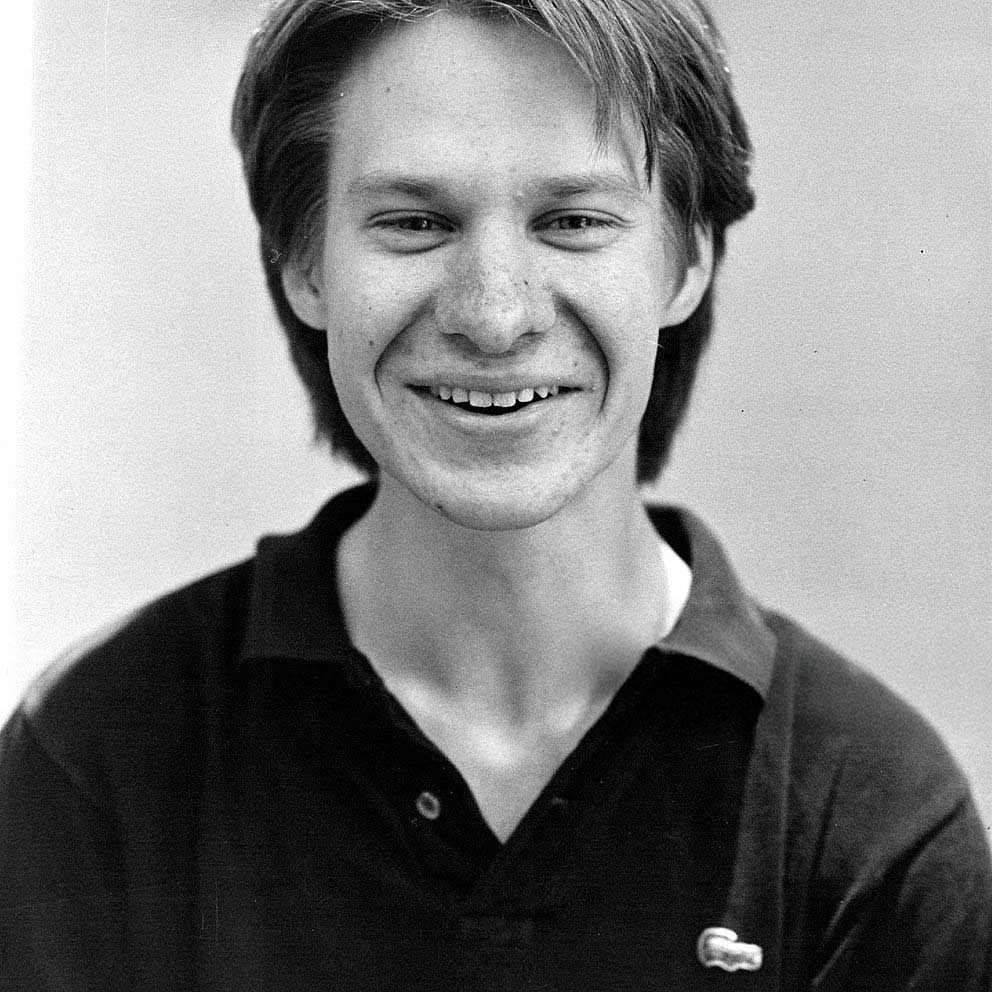
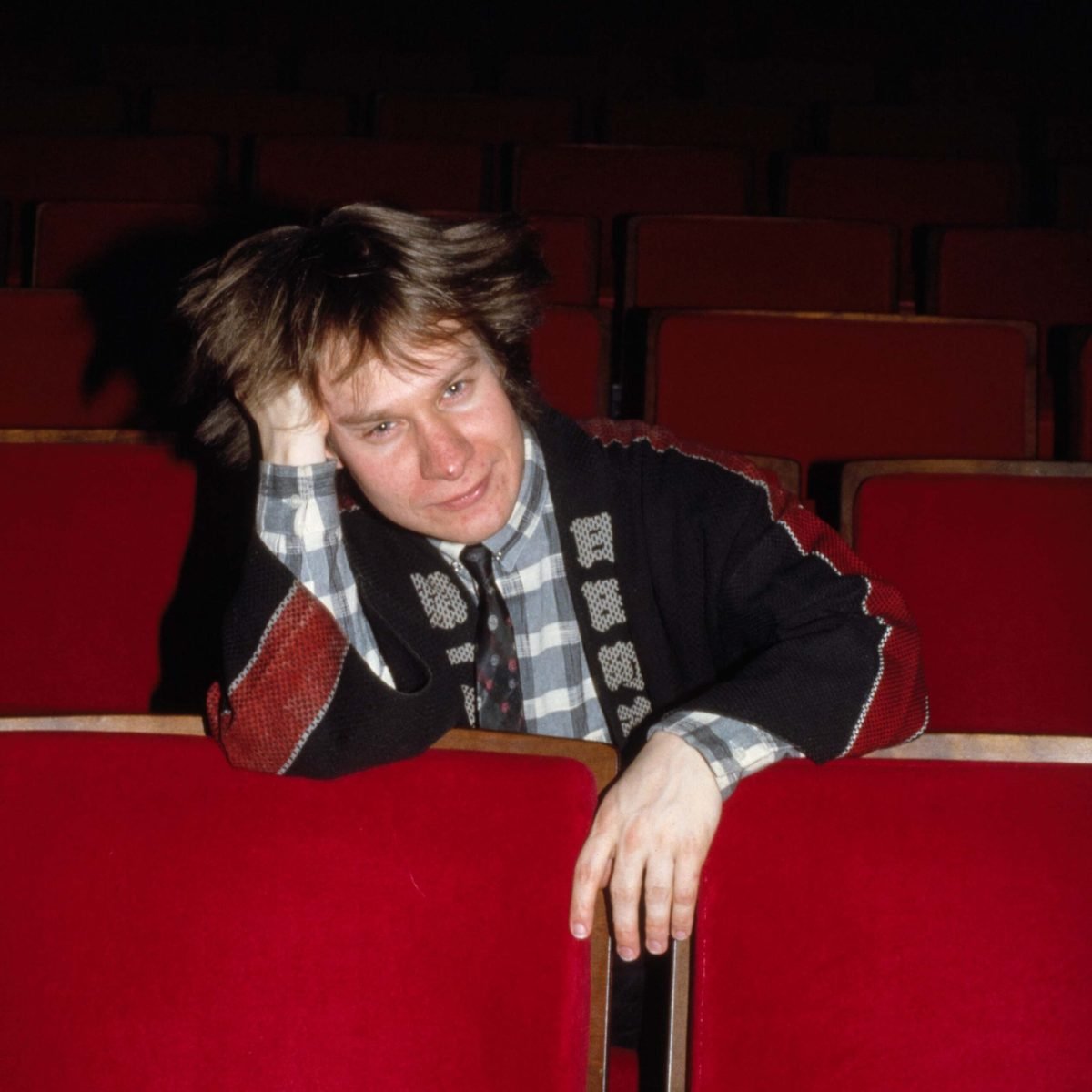
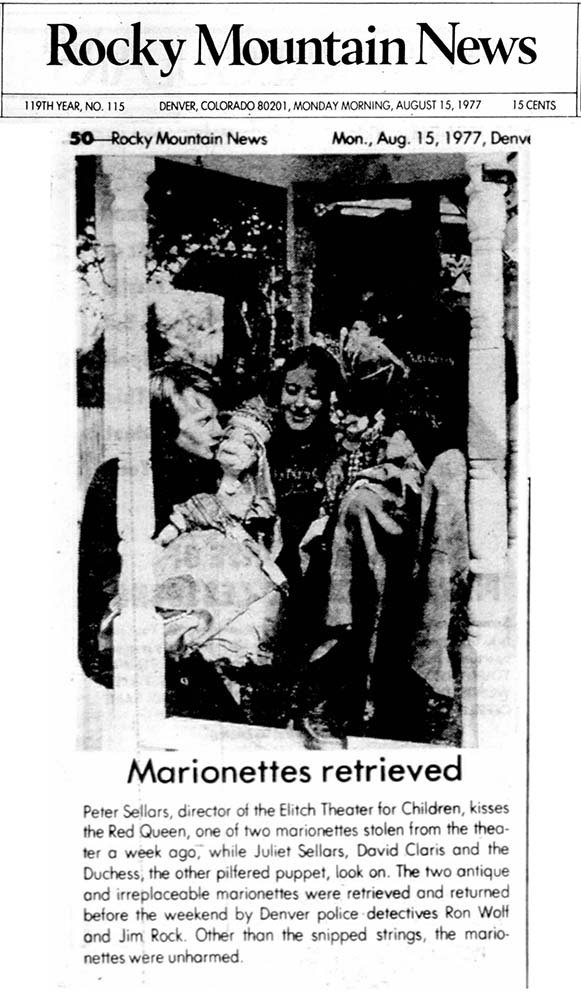
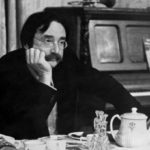
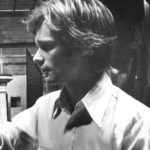
Long before he became one of the most influential and provocative stage directors of his generation, Peter Sellars (b. 1957) was a teenager building puppets and staging shows on the Historic Elitch Theatre stage. Between 1973 and 1977, Sellars spent five summers at Elitch as a director, producer, and puppeteer, forming a touring puppet theatre company with his sister that performed at “the largest and oldest summer theater in the country.” It was here, amid the historic backstage machinery and the rhythms of America’s oldest summer-stock company, that Sellars began developing the bold theatrical instincts that would soon reshape opera and theater on the world stage.
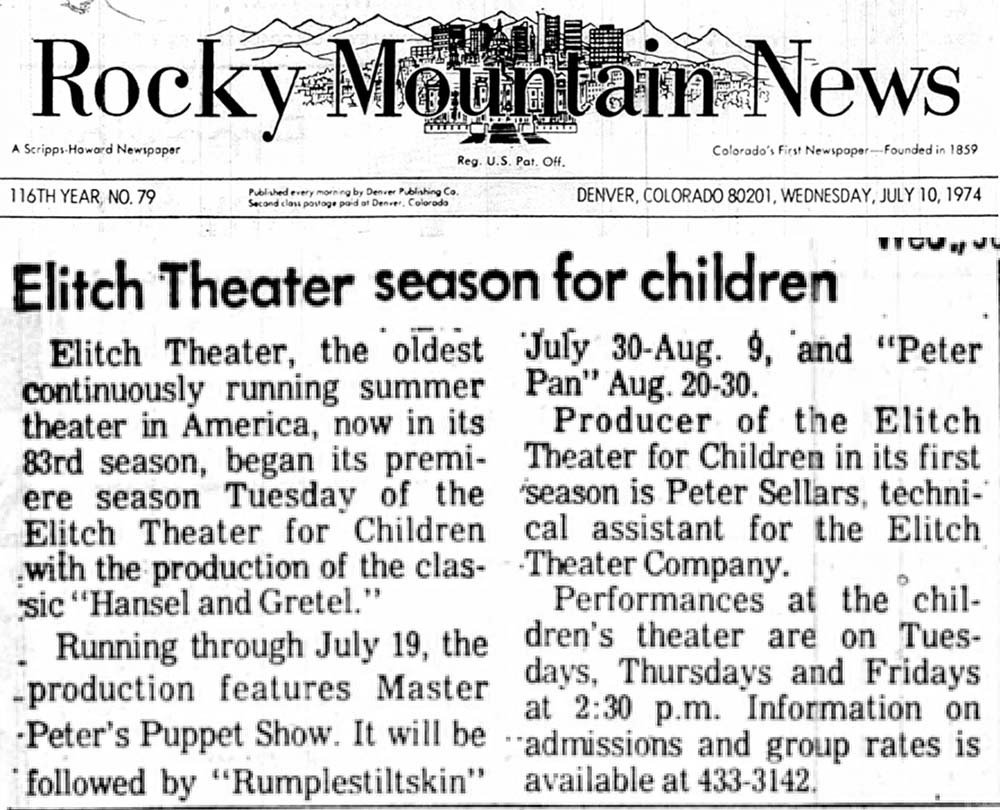
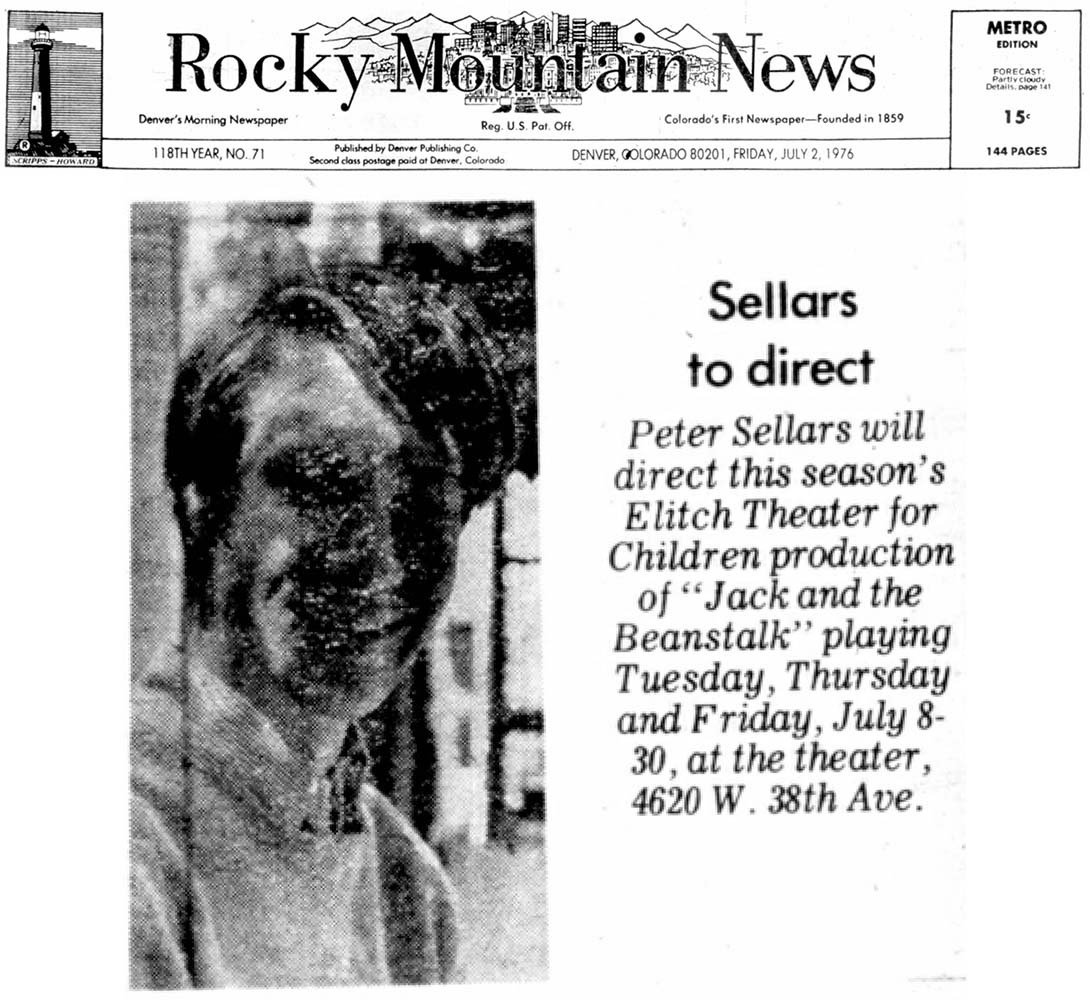
A highlight of his time was with the Elitch Theatre for Children, where he directed original and adventurous productions for young audiences. In 1976, he staged Master Peter’s Puppet Show, a unique blend of opera and puppetry inspired by Don Quixote. The production was widely praised for its creativity and marked one of Sellars’ earliest explorations into combining classical works with innovative theatrical techniques.
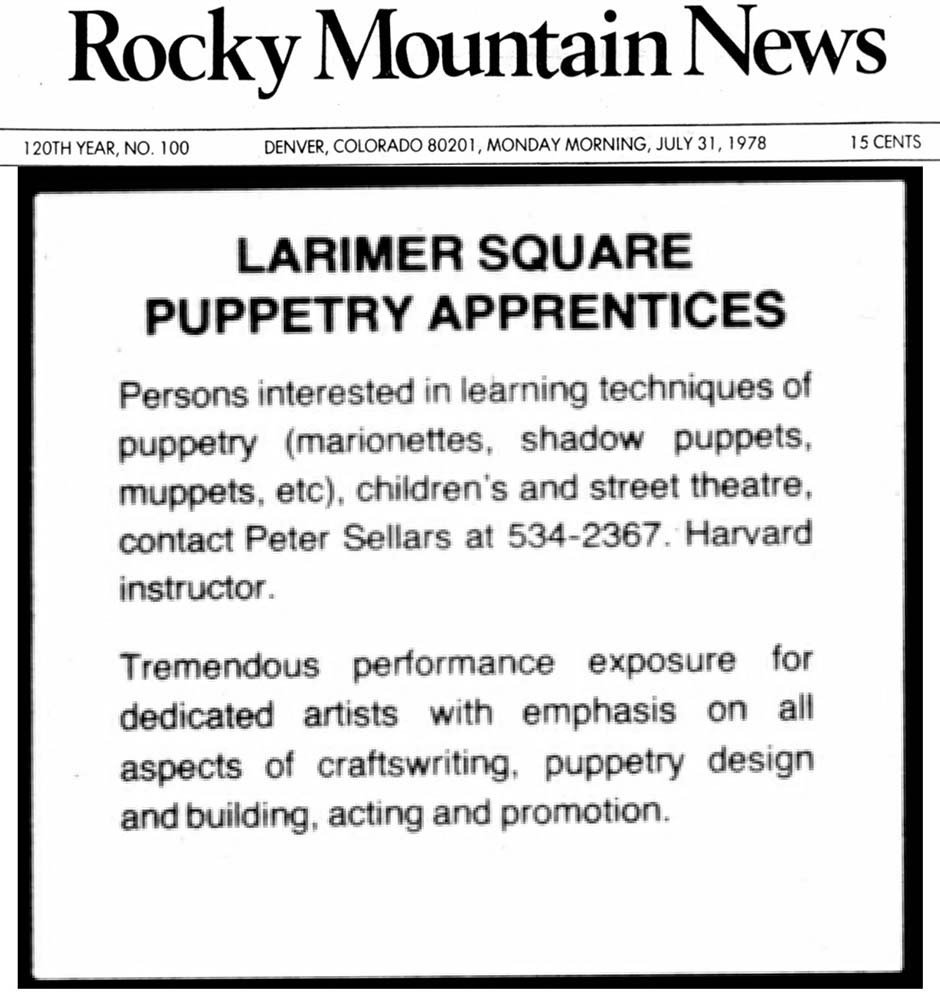
Sellars went on to Harvard University, where his undergraduate productions — including a puppet-inflected staging of Wagner’s Ring Cycle and a swimming-pool production of Shakespeare’s Antony and Cleopatra — already showed the fearless, boundary-breaking style for which he would become famous. At just 26 years old, he was named a MacArthur Fellow, and by the mid-1980s he was directing the American National Theater at the Kennedy Center, becoming artistic director of the Boston Shakespeare Company.
Sellars became internationally celebrated for his radically reimagined stagings of classic and contemporary opera, often relocating canonical works into strikingly modern settings — Mozart’s Don Giovanni set in an urban ghetto, Così fan tutte in a diner, and The Marriage of Figaro in a Trump Tower apartment. His long creative partnership with composer John Adams produced landmark operas including Nixon in China, The Death of Klinghoffer, El Niño, and Doctor Atomic, cementing his reputation as one of the defining forces in modern opera.
Now a Distinguished Professor at UCLA and a leading voice in international theater, opera, and festival direction, Sellars has spent decades using the stage as a platform for social and moral reflection — tackling war, displacement, and justice through works ranging from Handel to Kaija Saariaho. From summer puppet shows at Elitch Gardens to the great opera houses of Salzburg, Paris, and beyond, Sellars’s career is a remarkable testament to the creative sparks that can be lit on a small-town summer stage.
Seasons at the Theatre
- 1973
- 1974
- 1975
- 1976
- 1977
Elitch Theatre Productions/Roles:
- 1974: Hansel and Gretel (Elitch Theater for Children: Master Peter’s Puppet Show)
- 1974: Rumpelstiltskin (Elitch Theater for Children: Master Peter’s Puppet Show)
- 1974: Peter Pan (Elitch Theater for Children: Master Peter’s Puppet Show)
- 1976: Jack and the Beanstalk (Elitch Theater for Children)
Notable Roles, Awards, and Other Work:
- MacArthur Fellowship (“Genius Grant”)
- Harvard Arts Medal – 2000
- In addition to these, Sellars has received numerous honorary doctorates from institutions such as Harvard, Cambridge, and the University of London, as well as recognition from arts organizations worldwide for his innovative work in theatre and opera.
- Major honors: (in addition to above) Erasmus Prize (1998); Dorothy and Lillian Gish Prize (2005); Polar Music Prize (2014); Harvard Arts Medal; member, American Academy of Arts and Sciences
Elitch Theatre Connections:
Wikipedia Link: