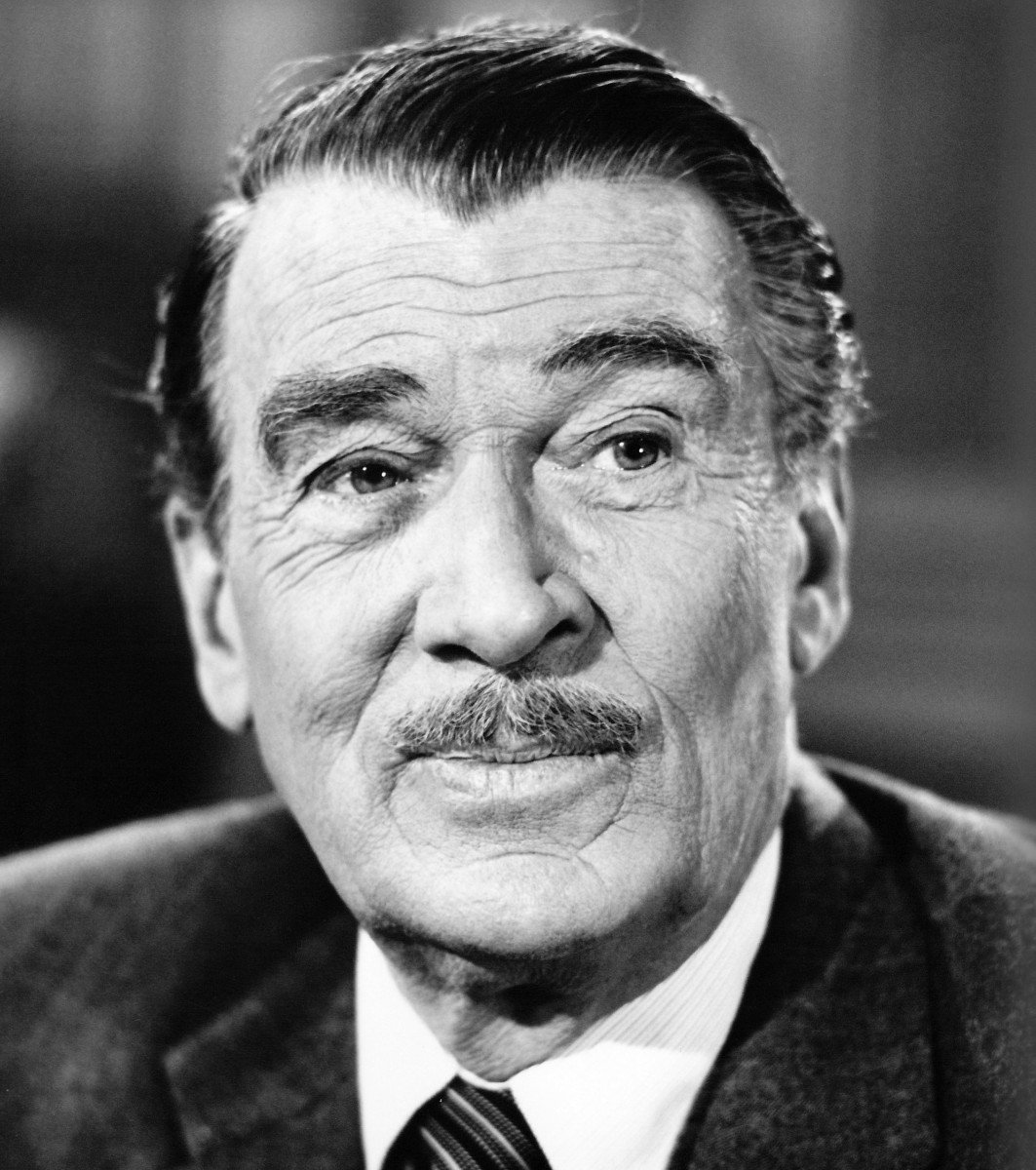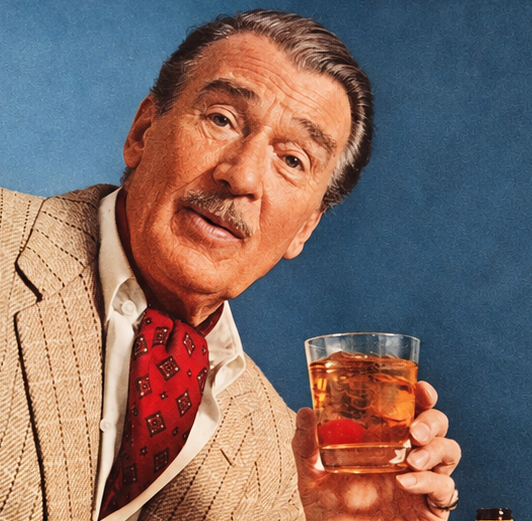
Walter Pidgeon stands among the most distinguished leading men of Hollywood’s Golden Age, and in the summer of 1964 he brought his considerable stature to the Elitch Theatre stage.
By the time Pidgeon arrived at Elitch Gardens in 1964 to star in Take Her, She’s Mine, he was already a certified Hollywood legend, having earned two Academy Award nominations for Best Actor for his performances opposite Greer Garson in Mrs. Miniver (1942) and Madame Curie (1943).
Producer Helen Bonfils and director Henry Connor had to persuade Pidgeon that Denver’s mile-high altitude wouldn’t pose a problem, since he had suffered severe headaches and nosebleeds performing in the city decades earlier, in 1923, during the physically demanding days of his early stage career. Reassured, and noting that his Elitch role was far less strenuous than his more recent Broadway turn in The Happiest Millionaire, Pidgeon took the stage for Elitch’s 1964 season, drawing the kind of press attention and celebrity fanfare that had become a hallmark of the Theatre’s summer stock tradition.
Pidgeon’s appearance at Elitch came near the end of a screen and stage career spanning more than five decades. He had already starred in How Green Was My Valley (1941), which won the Academy Award for Best Picture, and had built one of Hollywood’s most celebrated screen partnerships with Greer Garson across films including Blossoms in the Dust, Mrs. Parkington, and The Miniver Story. He had also returned triumphantly to Broadway in the late 1950s, earning a Tony Award nomination for the musical Take Me Along opposite Jackie Gleason, and had served as president of the Screen Actors Guild from 1952 to 1957 — a role that placed him at the center of the industry he had helped define.
In the years following his Elitch engagement, Pidgeon continued working steadily in film and television, appearing in Funny Girl (1968) as impresario Florenz Ziegfeld, and taking on memorable roles in Advise & Consent, Voyage to the Bottom of the Sea, and Forbidden Planet. He was honored with a star on the Hollywood Walk of Fame in 1960 and received the Screen Actors Guild’s Life Achievement Award in 1975, capping a career built on the kind of steady, dignified authority he brought with him to the Elitch stage that summer. Pidgeon retired from acting in 1977 and passed away in 1984 at age 87, remembered as one of the last great leading men of Hollywood’s classic era — and, for one memorable season, a star of the historic Elitch Theatre.
Seasons at the Theatre
- 1964
Elitch Theatre Productions/Roles:
- 1964 – Take Her, She’s Mine
Notable Roles, Awards, and Other Work:
- Two-time Academy Award nominee for Best Actor: Mrs. Miniver (1942) and Madame Curie (1943)
- Starred in the Best Picture Oscar winner How Green Was My Valley (1941)
- Played Florenz Ziegfeld in Funny Girl (1968)
- Portrayed Admiral Harriman Nelson in Voyage to the Bottom of the Sea (1961) and Dr. Morbius in Forbidden Planet (1956)
- Tony Award nominee for the Broadway musical Take Me Along (1959), opposite Jackie Gleason
- President of the Screen Actors Guild, 1952–1957
- Recipient of the Screen Actors Guild Life Achievement Award (1975)
- Star on the Hollywood Walk of Fame (1960)
- Extensive Broadway career, including his featured debut in Puzzles of 1925 and later roles in Something Gay and Night of January 16th
- Extensive television work, including guest roles on Perry Mason, Rawhide, The F.B.I., and Marcus Welby, M.D., and the title role of the King in the 1965 CBS production of Rodgers and Hammerstein’s Cinderella
Elitch Theatre Connections:
- Appeared as Florenz Ziegfeld in Funny Girl (1968) with fellow Elitch-alum, Kay Medford.
- Walter Pidgeon and Morey Amsterdam both appeared in the 1976 comedy film Won Ton Ton: The Dog Who Saved Hollywood. Fellow Elitch alum Nancy Walker also appeared in the film as Mrs. Fromberg.
- Four stars of Deep in My Heart (1954) — José Ferrer, Walter Pidgeon, Isobel Elsom, and Jane Powell — are alumni of the Historic Elitch Theatre!
Wikipedia Link: